Home / Business and Economy / New PPP Model Opens Doors for PE in Infrastructure
New PPP Model Opens Doors for PE in Infrastructure
5 Jun
Summary
- Financial investors to directly develop greenfield projects.
- Expansion beyond highways to power, railways, and airports.
- Aims to increase long-term capital for infrastructure creation.
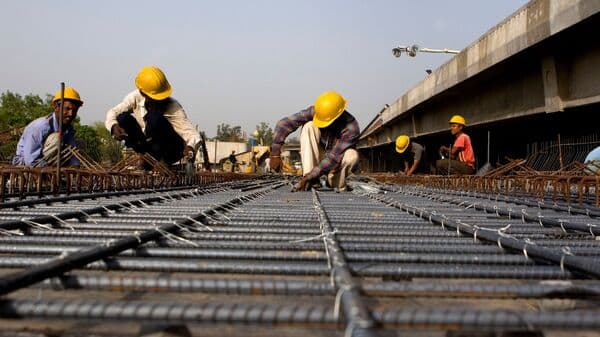
The Indian government is preparing a new public-private partnership (PPP) framework that will enable financial investors, including private equity firms, pension funds, and sovereign wealth funds, to directly engage in the development of greenfield projects. This strategic shift aims to broaden their participation beyond the highway sector to crucial areas such as power, railways, airports, ports, urban infrastructure, and water supply.
The primary objective of this revised PPP model is to enhance the availability of long-term capital for infrastructure development. Currently, financial investors often enter projects only after they have commenced operations. This new framework seeks to alter that dynamic, allowing for earlier-stage investment and involvement.
Discussions regarding these proposed changes to the PPP framework have been held between the Department of Economic Affairs and various infrastructure-focused central government ministries. A final decision is pending an evaluation of investor response to recent modifications in road ministry tenders that permit direct fund house participation. This move could potentially streamline risk allocation and offer greater flexibility in equity structuring for projects.
Experts note that successful international projects have benefited from early-stage private capital. However, challenges such as land acquisition, right of way, and rehabilitation risks in India need to be addressed. Ensuring project readiness, demand certainty, and swift dispute resolution mechanisms will be crucial for attracting investors under the new framework.


