Home / Business and Economy / Nebraska e-NG Project Powers Green Fuel Future
Nebraska e-NG Project Powers Green Fuel Future
2 Dec, 2025
Summary
- A new synthetic methane facility will start operations by 2030.
- Nebraska's bioethanol plants provide unique CO2 feedstock.
- Project aims to support Japan's carbon-neutral gas blending targets.
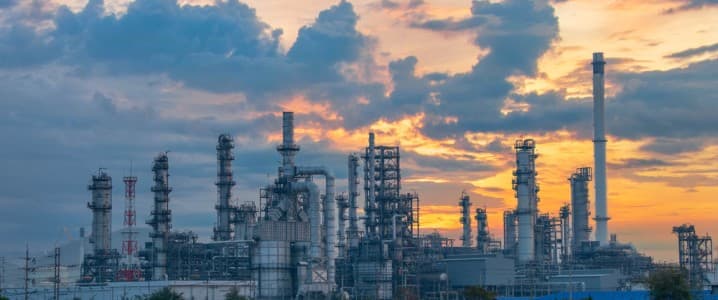
A major synthetic methane project, Live Oak e-NG, is set to commence operations in Nebraska by 2030. This development brings together TotalEnergies, TES, and three Japanese gas companies, with a finalized agreement establishing ownership stakes. The facility will utilize Nebraska's rich supply of biogenic CO2 from bioethanol plants, a unique feedstock for producing synthetic methane, also known as e-natural gas.
The project will feature 250 MW of electrolysis capacity, producing approximately 75,000 tonnes of e-NG annually. This carbon-neutral fuel is chemically identical to fossil natural gas and can integrate seamlessly into existing LNG infrastructure. This compatibility is crucial for Japanese gas utilities aiming to meet national targets for blending carbon-neutral gas into their energy supply.
With a final investment decision anticipated in 2027, the Live Oak project highlights growing global interest in synthetic fuels. It underscores Japan's strategy to diversify energy imports while supporting U.S. investment in power-to-gas initiatives, bolstered by federal incentives and renewable energy resources.