Home / Business and Economy / Morocco's Green Energy Race: Who Benefits?
Morocco's Green Energy Race: Who Benefits?
26 Feb
Summary
- Morocco aims to triple renewable electricity capacity to 15 GW by 2030.
- The country relies on imports for 90% of its energy currently.
- Green hydrogen and ammonia production are key future goals.
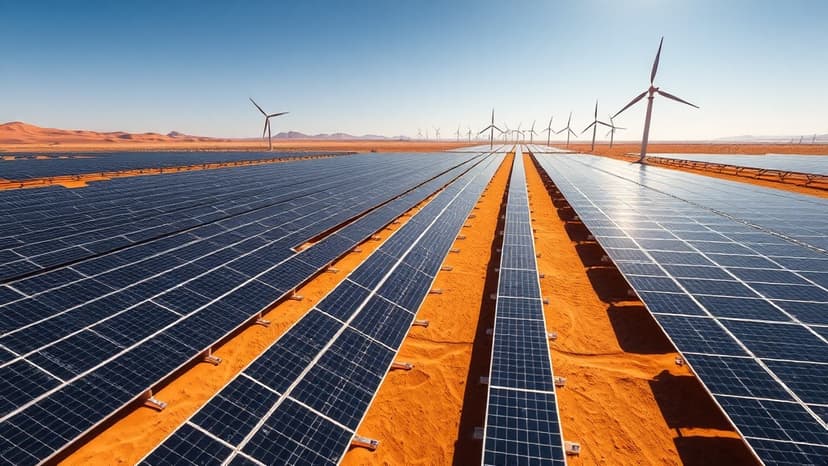
Morocco is making significant strides in its energy transition, with ambitious goals to triple its renewable electricity capacity to 15 gigawatts by 2030 and phase out coal by 2040. This strategic shift is driven by the nation's heavy reliance on energy imports, currently at 90%, and its vulnerability to global energy market volatility.
The country is leveraging its abundant solar and wind resources to attract investment and become a competitive energy provider. Initiatives include large-scale solar farms powering industrial needs and the development of desalination plants using clean energy to address water scarcity and supply communities.
Morocco also eyes becoming a global hub for green hydrogen and ammonia production, seen as vital for decarbonizing hard-to-electrify sectors and industries like fertilizer production. However, questions persist regarding the equitable distribution of benefits and the potential diversion of resources from local needs.
Despite challenges, including the high cost of green alternatives and the complexities of land acquisition and job creation, Morocco is reforming its regulatory framework to ensure stable and bankable investments. The nation sees its renewable energy potential as central to its economic prosperity and industrial strategy.