Home / Business and Economy / Mongolia's Cashmere Boom: A Fragile Future
Mongolia's Cashmere Boom: A Fragile Future
24 Dec
Summary
- Millions of goats have led to widespread desertification of pastures.
- Herders are deeply indebted and vulnerable to a single storm.
- The cashmere market's demand risks unsustainable livelihoods.
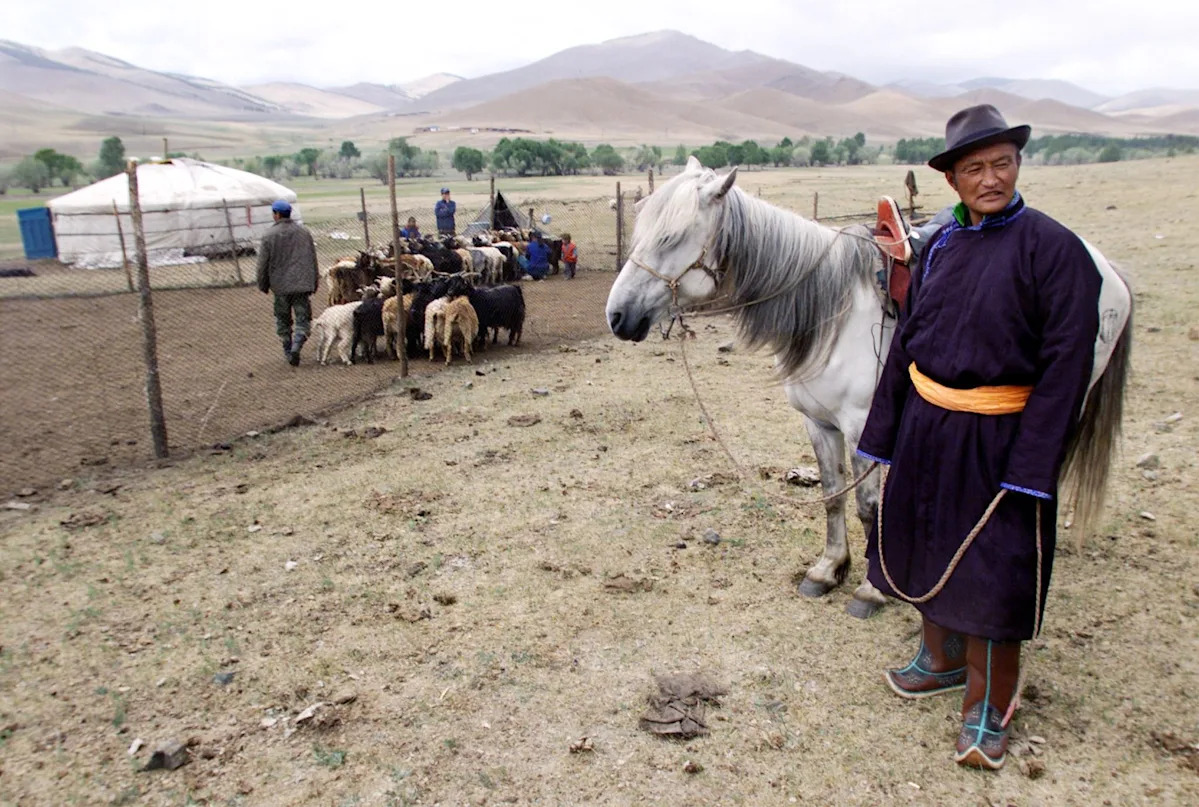
Mongolia's once-thriving cashmere trade now faces a critical threat of collapse. Following the Soviet Union's dissolution, the nation embraced global markets, leading many small herders to abandon diverse livestock for goats, capitalizing on the surging demand for cashmere. This shift propelled Mongolia to become the world's second-largest producer, significantly increasing output over three decades.
While this export boom has improved the quality of life for many herders, it has also exposed them to considerable precarity. The grazing pressure from 22 million goats has severely degraded the landscape, with 76% of pastures now showing signs of desertification. This environmental crisis directly impacts the herders' ability to sustain their livelihoods.
Many herders find themselves indebted, living on the edge where a single adverse weather event could lead to the loss of their entire herds. The immense global appetite for cashmere, while initially a boon, has created a system where herders feel exploited by the very market that has defined their work, leading to a growing sentiment that their profession is becoming fundamentally unsustainable.