

Home / Business and Economy / War's Ripple Effect: Prices Soar, Economy Strains
War's Ripple Effect: Prices Soar, Economy Strains
25 Apr
Summary
- Mideast conflict pushed gas prices over $4 a gallon.
- Inflation reached its highest level in nearly two years.
- Economic impact expected to last for months, even if war ends.
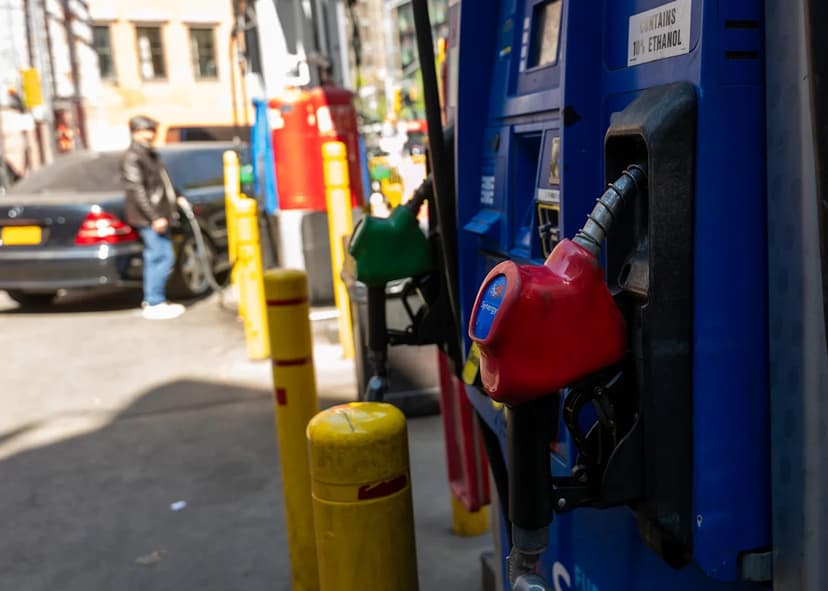
The Mideast war, which began eight weeks ago, has led to substantial economic consequences for Americans. Gas prices have surged past $4 a gallon, and inflation has reached its highest point in almost two years. Economists predict that these financial pressures will continue for months, regardless of the conflict's duration.
The war has disrupted crucial oil supply routes, causing international benchmark Brent crude to rise by 44%. Economists like Mark Zandi of Moody's Analytics and Lydia Boussour of EY-Parthenon indicate that restoring oil production to pre-war levels will be a lengthy process. Forecasts suggest oil prices will remain elevated through 2026.
Beyond energy costs, the conflict contributes to broader inflation concerns. Economists anticipate hot inflation figures for April and continuing elevated rates throughout 2026. This situation, coupled with potential consumer cutbacks and a softening labor market, could slow GDP growth to an estimated 1.8% for the year.
Consumers are experiencing the pinch directly at the gas pump, with average prices significantly higher than pre-war levels. Summer travel costs are also rising due to increased jet fuel prices. The higher cost of diesel is expected to translate into increased prices for goods, from groceries to everyday packages.

