Home / Business and Economy / Middle East Tensions Disrupt Global Trade Routes
Middle East Tensions Disrupt Global Trade Routes
1 Mar
Summary
- Exports of rice, tea, and fruits to Africa and West Asia face disruption.
- Maritime traffic in Red Sea and Strait of Hormuz could be impacted.
- Freight rates and insurance premiums are expected to rise significantly.
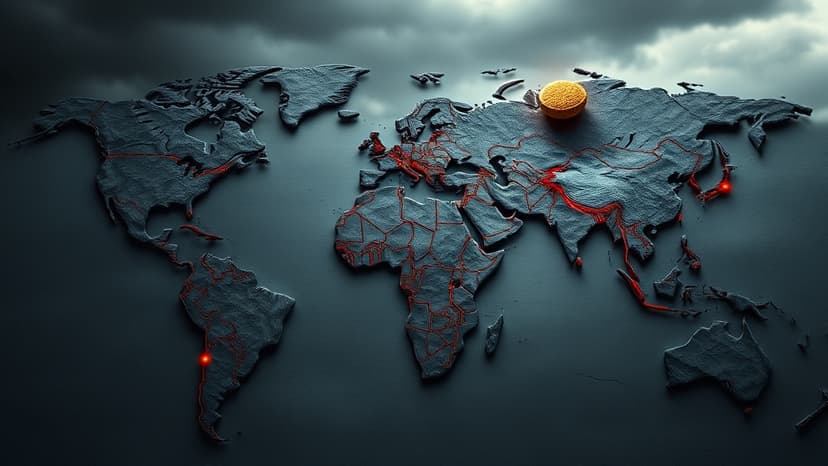
Recent joint military operations by the US and Israel against Iran, met with Tehran's retaliatory strikes on several Gulf cities, are creating significant uncertainty for global trade.
India's key exports, including rice, tea, and fruits, destined for Africa and West Asia face a substantial hit. Any disruption to maritime traffic through the vital Red Sea and Strait of Hormuz could severely affect shipments to Western markets as well.
Experts predict that shipping activities through these crucial waterways will be impacted, potentially forcing goods to reroute via the Cape of Good Hope. This diversion would add an estimated 15-20 days to delivery times, leading to increased freight rates and higher insurance premiums.
As of March 1, 2026, the situation remains tense. Middle Eastern countries are major importers of Indian basmati and non-basmati rice, while also being significant buyers of premium orthodox tea. The ongoing conflict threatens to halt these critical export flows.