Home / Business and Economy / Middle East Air Capacity Plummets 39% Amid Tensions
Middle East Air Capacity Plummets 39% Amid Tensions
31 Mar
Summary
- Middle East seat capacity fell 22% in March, then 39% in April.
- European airlines' long-haul capacity growth estimate reduced.
- Potential jet fuel shortages could further impact capacity.
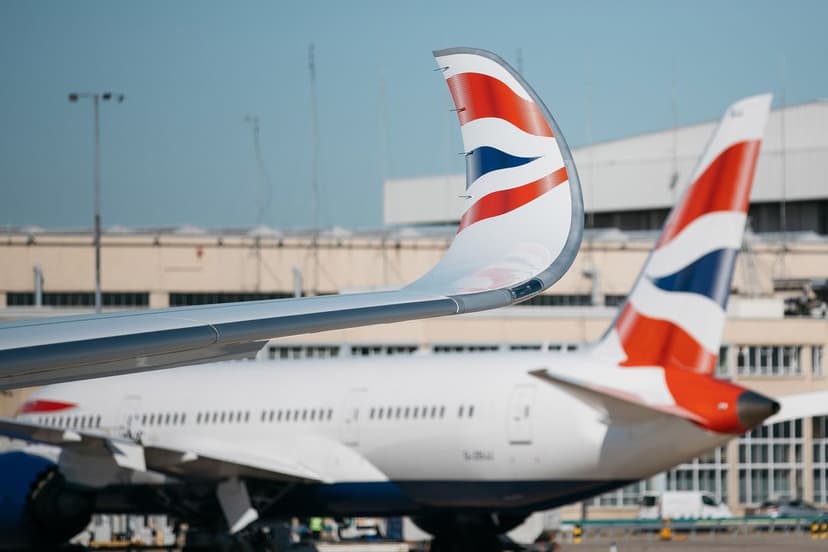
European airlines are facing a severe and worsening reduction in Middle East seat capacity. UBS analysts report that capacity on these routes fell by approximately 22% in March, accelerating to a 39% decrease in April compared to the previous year. This sharp decline underscores how geopolitical uncertainty is forcing carriers to scale back operations in a crucial long-haul market.
The impact extends beyond the Middle East, with UBS lowering its second-quarter long-haul capacity growth forecast for European airlines to around 3%. A further risk highlighted is the potential for jet kerosene shortages, which could drive up fuel prices and pressure airlines to reduce capacity due to elevated operating costs, independent of security concerns.
While routes between China-Europe and US-Europe are still experiencing positive capacity growth, the contraction in Middle East services represents the most significant impediment to the European aviation demand outlook in the near term. Major European carriers heavily rely on the Middle East for both destination traffic and as a hub for flights to Asia.


