Home / Business and Economy / Jobs Rebound: Healthcare Drives Surprise March Gains
Jobs Rebound: Healthcare Drives Surprise March Gains
4 Apr
Summary
- Economy added 178,000 jobs in March, a significant rebound from February.
- Healthcare and social assistance led job growth, recovering from a strike.
- Labor force participation rate dropped to 61.9%, lowest since late 2021.
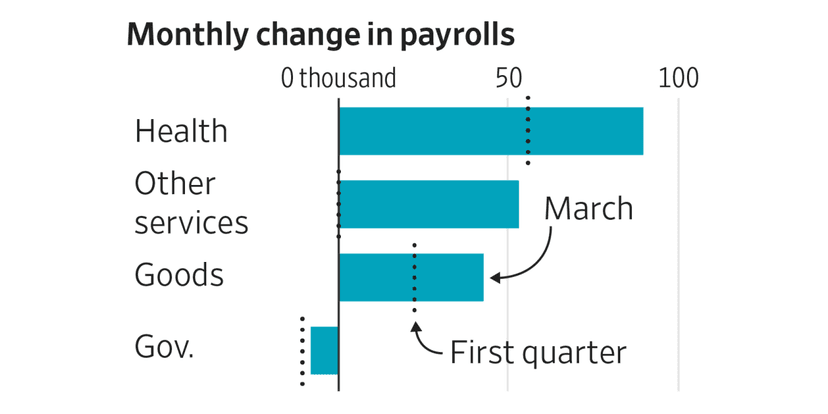
The U.S. economy experienced a notable job recovery in March, with 178,000 new jobs added, a significant turnaround from the previous month's losses. This growth was largely concentrated in specific sectors, with healthcare and social assistance leading the gains. This surge in healthcare employment was significantly influenced by the resolution of a hospital strike that had previously impacted tens of thousands of workers.
Other sectors contributing to the job market's recovery included leisure and hospitality, construction, and transportation and warehousing. These sectors experienced a rebound after being negatively affected by severe weather conditions in February. Conversely, the federal workforce continued to shrink, and the information sector, which includes technology industries, also saw job declines.
A concerning trend identified in the March report was a decrease in the labor force participation rate, which fell to 61.9%. This marks the lowest level since late 2021 and suggests a potential increase in individuals disengaging from the job search. The decline in unemployment to 4.3% was partly due to this reduced participation.
However, focusing on the "prime-age" demographic (ages 25-54) reveals a more stable picture, with their participation rate remaining near multi-decade highs. This indicates that the overall decline is more closely linked to an aging population exiting the workforce rather than discouraged workers giving up. Future labor market dynamics may continue to be influenced by an aging population and reduced immigration.
The report also highlighted a long-term trend of shrinking job growth, averaging only 21,000 jobs per month since the start of 2025, a sharp deceleration from historical averages. This slowdown is attributed to a diminishing supply of workers, influenced by an aging demographic and stricter immigration policies. This trend contrasts sharply with periods when the baby boomer generation fueled higher annual employment growth.


