

Home / Business and Economy / Malacca Strait: World's busiest trade route under threat
Malacca Strait: World's busiest trade route under threat
23 Apr
Summary
- Malacca Strait handles 20% of global maritime trade and 29% of oil.
- Narrow passages and piracy pose significant risks to shipping.
- Disruptions can lead to costly reroutes, impacting energy supplies.
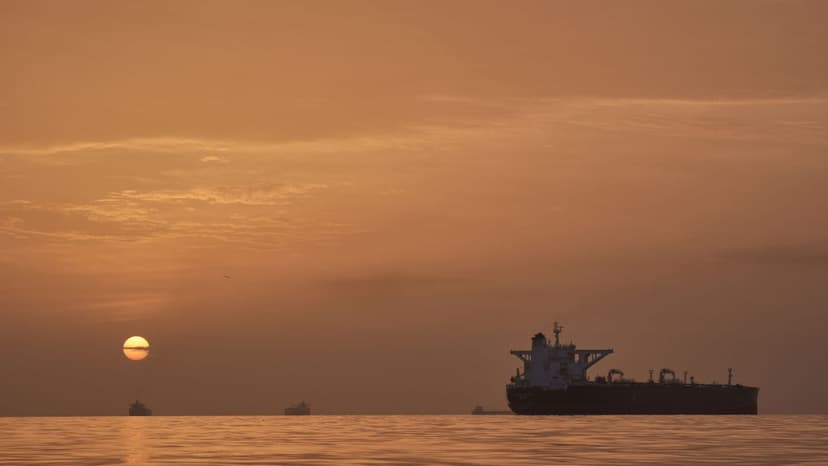
The Malacca Strait, a vital 900-km waterway connecting the Indian and Pacific Oceans, is now considered the world's most critical maritime chokepoint, surpassing the Strait of Hormuz. This route, bordered by Indonesia, Thailand, Malaysia, and Singapore, facilitates approximately 20% of global maritime trade and handles a significant volume of oil. In the first half of 2025, over 23.2 million barrels of oil per day traversed the Malacca Strait, exceeding Hormuz's 20.9 million barrels.
The strait faces multiple threats that jeopardize global trade. Its narrowest point, the Phillips Channel, is only 2.7 km wide, increasing the risk of collisions, groundings, and oil spills. Persistent piracy incidents, as reported by ReCAAP, contribute to ongoing security concerns. Furthermore, around 75% of China's seaborne crude imports rely on this passage, highlighting its strategic importance for East Asian energy supplies.
