Home / Business and Economy / Luxury's Scarcity Strategy Falters
Luxury's Scarcity Strategy Falters
26 Jan
Summary
- Resale premiums for scarce luxury items are declining.
- Speculative buying and increased supply impact values.
- Hermès' bundling strategy faces challenges with falling demand.
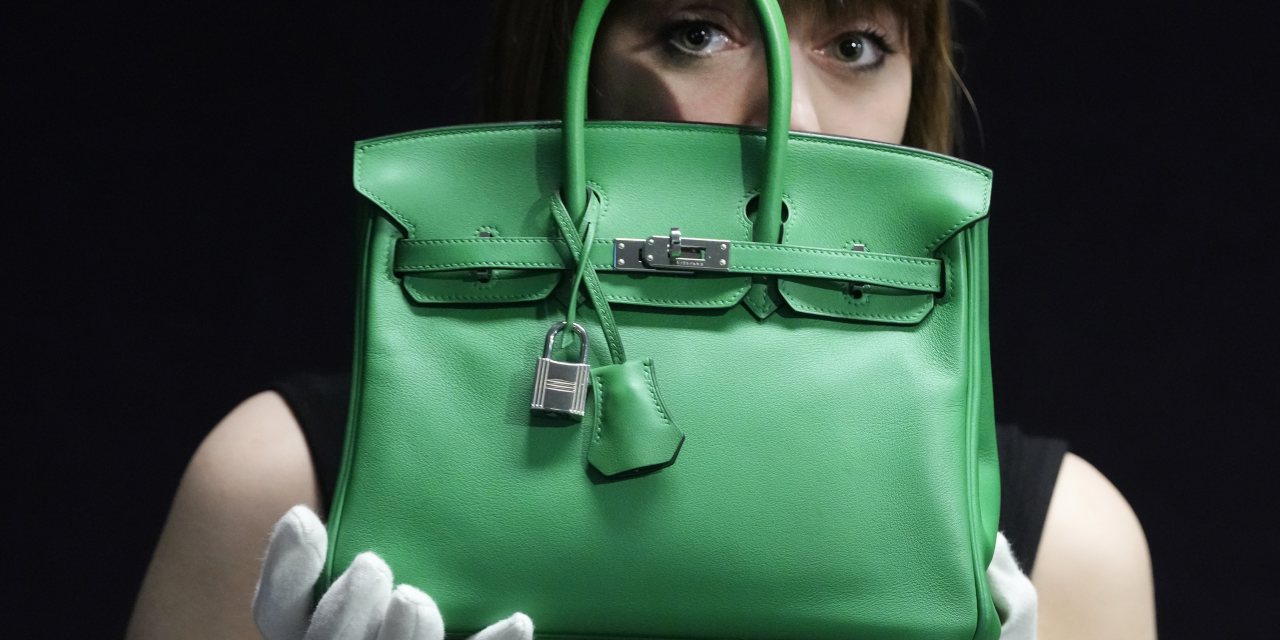
Luxury brands that deliberately limit supply to create demand, a strategy exemplified by Hermès and Ferrari, are facing a shift in their market. Resale premiums for highly sought-after items like Hermès Birkin bags and Rolex watches have significantly declined. For instance, Rolex's average resale premium has roughly halved to about 7% since January 2024, while Patek Philippe's has slid from 38% to 11% in the same period.
Several factors are contributing to this trend. The luxury market is normalizing after a speculative surge during the pandemic, leading to more items entering the secondhand market as individuals seek to liquidate assets. Additionally, substantial price increases by brands like Patek Philippe in their primary markets are not being matched by resale values, eroding the attractiveness of these items as investments.
Hermès' reliance on the bundling practice, where customers must purchase other goods to qualify for Birkin bags, is also being tested. While Birkin and Kelly bags represent approximately 25% of Hermès' total sales, falling resale values suggest diminished competition to acquire these items. This scarcity model, while historically successful and a driver of high shareholder returns for brands like Ferrari and Hermès, faces increasing pressure.