Home / Business and Economy / Leaded Petrol: A Deadly Gift of God?
Leaded Petrol: A Deadly Gift of God?
25 Dec
Summary
- Leaded petrol inventor Thomas Midgley washed hands in it despite prior poisoning.
- Workers suffered hallucinations, death from tetraethyl lead exposure.
- Leaded petrol may have contributed to a 56% drop in US violent crime.
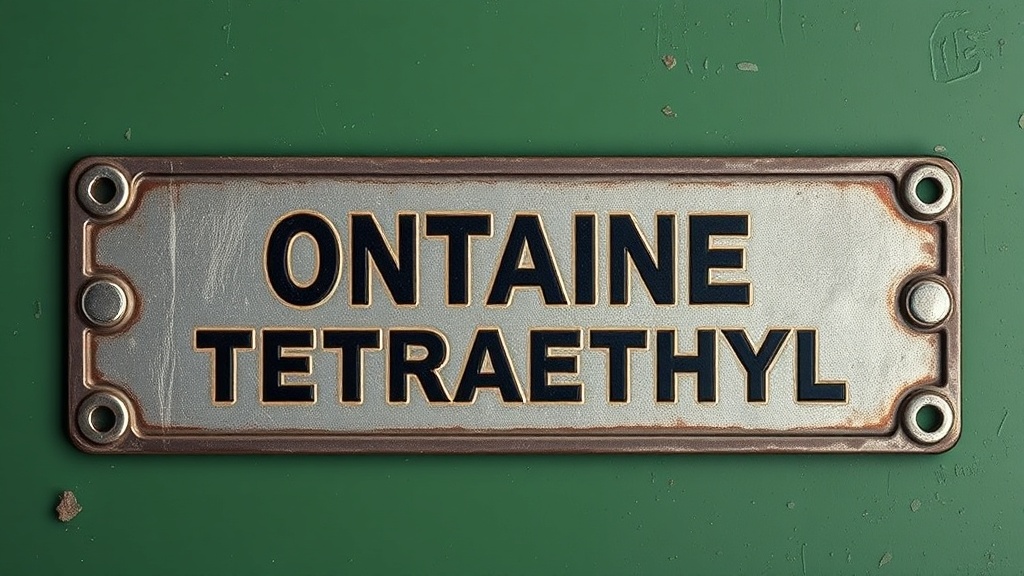
Thomas Midgley, advocating for tetraethyl lead in petrol around October 1924, famously washed his hands in the substance to prove its safety, despite having suffered lead poisoning himself. This event occurred amidst tragic incidents at Standard Oil plants where workers experienced severe hallucinations and fatalities due to lead exposure, earning the development lab the grim moniker "the loony gas building."
The push for leaded petrol, particularly by General Motors, Standard Oil, and DuPont, was met with scientific alarm regarding public health. Despite assurances of safety, research funded by these companies was scrutinized. A 1925 conference debated its necessity, with proponents calling it a "gift of God" while opponents warned of inevitable lead poisoning.
Decades later, a compelling link emerged: economist Jessica Reyes proposed that the reduction in leaded petrol fumes contributed to a 56% decrease in US violent crime. This suggests the long-term societal cost of lead exposure, including neurological damage and increased crime, far outweighed the benefits of leaded fuel, which was finally banned in the US as part of clean air legislation.