Home / Business and Economy / Lamborghini Ditches EV Plan: Hybrid Future Ahead
Lamborghini Ditches EV Plan: Hybrid Future Ahead
23 Feb
Summary
- Lamborghini canceled its EV model due to weakening buyer demand.
- The company will now focus on plug-in hybrid vehicles.
- Rich buyers prioritize emotional driving experience over electric.
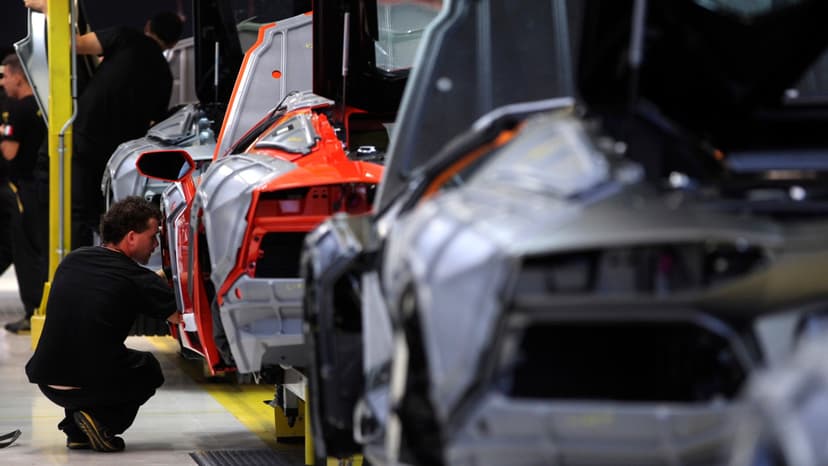
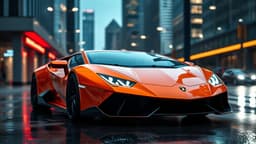
Lamborghini has officially shelved its previously announced plan to introduce a fully electric vehicle. The renowned supercar manufacturer cited a notable decline in demand for battery-electric models among its typically affluent clientele, deeming the project too financially risky.
CEO Stephan Winkelmann confirmed the electric Lanzador model's production halt, describing the EV program as a potential "expensive hobby." He explained that the "acceptance curve" for EVs within their target market is flattening. Winkelmann believes Lamborghini's core appeal lies in the dramatic styling, extreme performance, and crucially, the audible and tactile sensations of a petrol engine.
Instead of a pure EV, Lamborghini will replace the canceled project with a plug-in hybrid variant. The company aims for its entire lineup to comprise plug-in hybrids by 2030, while continuing to use internal combustion engines for as long as feasible. Winkelmann views plug-in hybrids as an optimal compromise, blending the immediate response of electric power with the emotional connection and output of traditional engines.
This strategic shift follows extensive internal discussions and feedback from customers and dealers. Lamborghini reported record sales of 10,747 cars in 2025, with Europe and the Middle East being its strongest markets. The company stated that pursuing a full-EV program with hesitant buyers would be irresponsible to shareholders, customers, and employees.
Lamborghini's decision aligns with a wider industry trend where several major manufacturers have scaled back EV ambitions due to significant financial losses stemming from lower-than-anticipated uptake. Companies like Stellantis, General Motors, and Ford are experiencing the complexities and costs of this transition.