Home / Business and Economy / Lagos Evictions: Homes Destroyed for Luxury Estates
Lagos Evictions: Homes Destroyed for Luxury Estates
12 Feb
Summary
- Thousands homeless as Lagos demolishes Makoko floating settlement.
- Government cites power lines, but demolitions exceed designated areas.
- Activists claim evictions pave way for lucrative real estate developments.
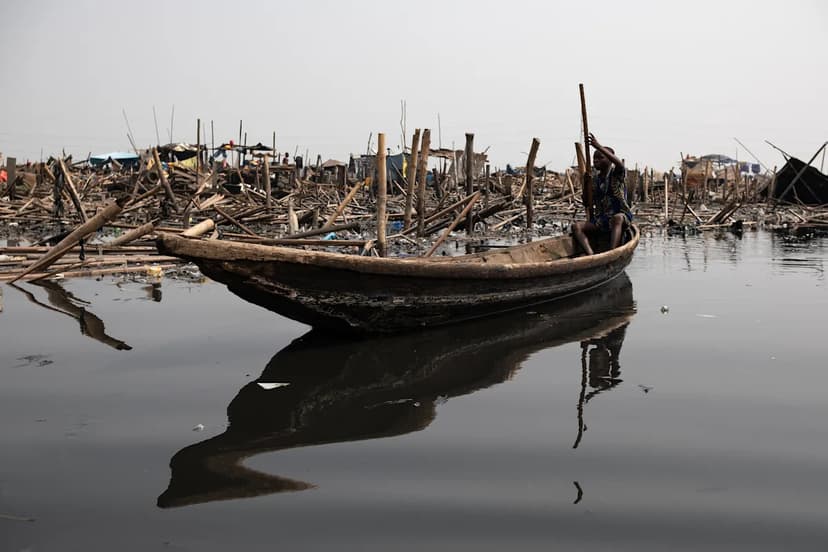
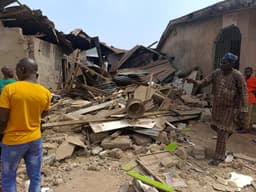
Thousands of residents in Lagos's Makoko floating settlement were forcibly evicted from their homes in a demolition operation that concluded earlier this month after being ordered halted by the Lagos State House of Assembly. The government stated the demolitions were necessary due to the community's proximity to electric power lines, requiring residents to move back 100 metres. However, non-profit organizations reported that demolitions extended much further, destroying homes and rendering thousands homeless, with over 12 deaths, including infants, reported.
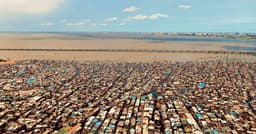
Makoko, a historic fishing village dating back to the 19th century and home to approximately 200,000 people, is known as the "Venice of Africa." Activists argue that these demolitions are part of a historical trend in Lagos, where informal settlements are cleared to make way for luxury estate developments. Despite the Lagos State government promising compensation in February, documentation and assessment of victims are still pending. This lack of resettlement and compensation is considered illegal by advocates, as Nigeria's constitution mandates prior negotiation and prompt compensation.
Officials defended the actions, citing the need to ensure residents stay away from high-tension lines and to prevent encroachment on the Third Mainland Bridge. However, activists suggest underlying motives involve the lucrative waterfront location of Makoko, suitable for high-end property development. This mirrors past evictions in Maroko (1990) and Otodo-Gbame (2017), where similar displacements occurred for development purposes. A compromise was reached this week, agreeing residents will not rebuild, compensation will be determined by a committee, and a water-city regeneration project will be implemented.