Home / Business and Economy / K-Beauty's US Surge: Gen Z Drives Record Sales
K-Beauty's US Surge: Gen Z Drives Record Sales
2 Mar
Summary
- US overtakes China as top buyer of Korean skincare.
- K-beauty sales reached $2.4 billion in 20251.
- Brands must expand shade ranges and in-store presence.
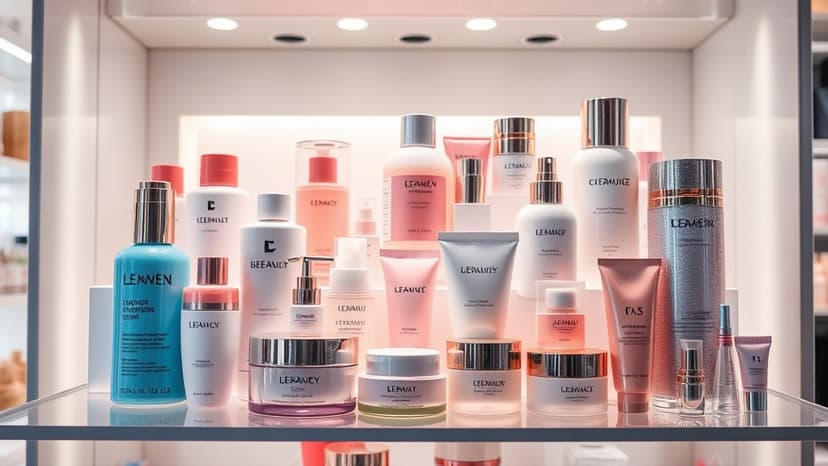
South Korea's skincare and cosmetic exports to the US are booming, with America now surpassing China as the leading overseas market. This growth is significantly fueled by Gen Z consumers actively seeking out trending products popularized on platforms like TikTok. Sales reached a substantial $2.4 billion in 20251, indicating a strong consumer interest.
Despite this success, K-beauty remains a niche segment within the massive $110 billion US beauty industry. To achieve broader market penetration, South Korean brands are advised to increase their physical retail footprint and broaden their product lines. This includes offering a more extensive selection of shades to accommodate diverse skin tones, a departure from the historically limited ranges available in South Korea.
Expanding the offline retail experience is crucial for discovery, especially for novel ingredients like PDRN derived from salmon sperm. Major retailers such as Ulta Beauty, Sephora, Costco, Target, and Walmart already carry K-beauty products, but the in-store experience in the US does not yet match the abundance of testers and samples found in South Korea. The upcoming May opening of CJ Olive Young's flagship store in Pasadena, California, is anticipated to further enhance this accessibility.
Furthermore, international K-beauty firms must adapt their product development to better serve diverse demographics. The limited shade ranges that were sufficient for homogenous markets like South Korea and China are inadequate for the US. Brands that have prioritized inclusivity, such as Tirtir expanding its foundation shades, have seen significant rewards, demonstrating a clear path for future growth in cosmetics.