Home / Business and Economy / Japan Bets Big on Nuclear Power's Risky Revival
Japan Bets Big on Nuclear Power's Risky Revival
1 Dec
Summary
- Japan reactivates nuclear power plants after 15 years, driven by energy needs.
- Economic pressures and demand for AI power accelerate nuclear restart.
- Public fear over past disasters creates a delicate balance for Japan.
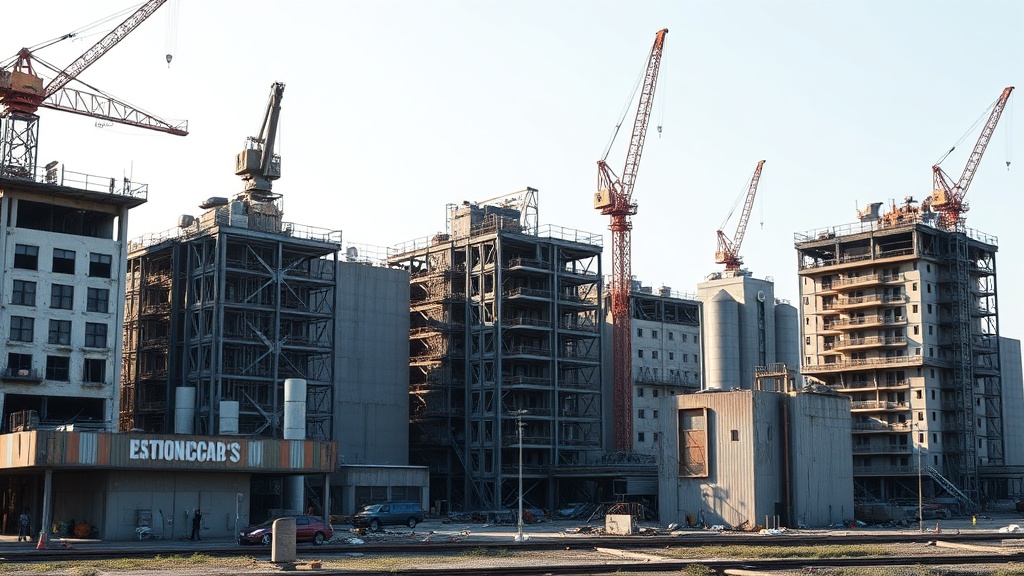
Japan is strategically recommissioning its nuclear power plants, 15 years after the catastrophic Fukushima disaster. The nation, still processing the trauma of the atomic bombings, faced significant economic fallout from the 2011 earthquake and tsunami, which crippled three nuclear reactors. The subsequent rejection of nuclear power led to increased reliance on imported fossil fuels and an unsustainable energy mix.
Driven by escalating electricity demand for AI and data centers, coupled with global energy market volatility, Japan's leaders now view nuclear power as a crucial solution. Despite ongoing public fear and anti-nuclear activism, 14 of the 54 shut-down reactors are already online, with plans to reach 20% nuclear generation by 2040.
The government is investing in new reactor technologies, like small modular reactors, to ensure a stable, affordable, and independent energy supply. While acknowledging the risks, Japan has calculated that nuclear energy is a necessary component of its future energy security in an unstable world.