

Home / Business and Economy / Japan's Worker Shortage Fuels Robot Revolution
Japan's Worker Shortage Fuels Robot Revolution
7 Apr
Summary
- Japan faces a severe labor shortage due to population decline.
- Robots are being adopted to fill undesirable jobs and care roles.
- Automation offers a path to safety in hazardous industries.
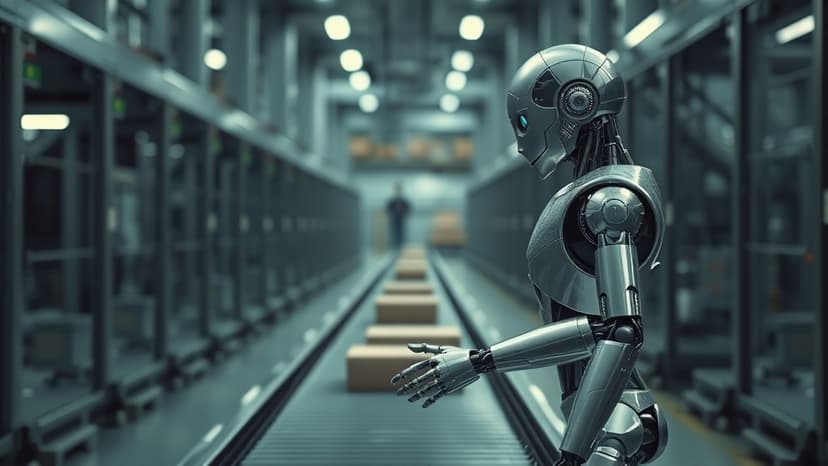
Japan's population decline has created a critical labor shortage, prompting a significant push towards automation and AI adoption. The country aims to bolster its domestic AI sector and deploy robots in various industries, including logistics, manufacturing, and data centers. These robots are intended to fill jobs that humans are reluctant to do, such as those in the industrial space or elder care.
Experts predict robots will become increasingly ubiquitous, with one report forecasting more humanoid robots than cars by 2060. This shift is driven by the need to address labor gaps and enhance safety, particularly in hazardous professions like tunnel construction or high-rise window washing. Companies are investing in advanced robotics capable of operating in challenging, unstructured environments.
This strategic adoption of physical AI is seen not just as an efficiency measure but as a critical step in protecting human lives. Investments are being made in robotics companies focused on construction safety, with systems designed to monitor workers and reduce accidents. Japan's commitment to this technological integration is underscored by substantial government investment.
