Home / Business and Economy / Middle East Crisis Halts Japan's Used Car Exports
Middle East Crisis Halts Japan's Used Car Exports
25 Mar
Summary
- Middle East conflict disrupts shipping, delaying hundreds of used cars.
- Port congestion and diversions create panic among Japanese car exporters.
- Businesses face compounding pressures from rising costs and uncertainty.
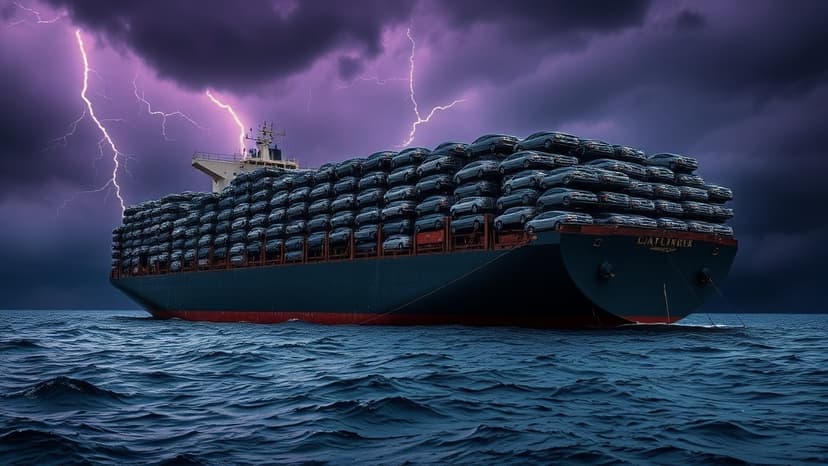
The conflict in the Middle East has created significant logistical challenges for used-car businesses in Japan and South Korea. Umar Ali Hyder Ali's company, for instance, experienced delays of over 10 days for a shipment of 500 cars due to port congestion in Sri Lanka. These disruptions illustrate the far-reaching impact of the crisis on a global industry.
Small and medium-sized enterprises are particularly vulnerable, facing 'panic' as shipping companies cancel or reroute cargo. Some vehicles are being returned to Japan, while others intended for the Middle East are stuck in ports in Sri Lanka and China. Air freight is an expensive alternative only viable for the wealthiest clients.
Last year, Japan and South Korea exported approximately $19 billion worth of used cars, with the UAE being a major destination for Japanese exports. The ongoing situation threatens to increase oil and freight costs, cause currency swings, and reduce auction prices.
In South Korea, shipments are halted during a typically busy season. Many vehicles destined for the Middle East are stuck in storage or rerouted. Dealers are adopting a 'wait-and-hold' strategy, with some planning to acquire vehicles during the downturn in anticipation of future demand.
Alternative markets are limited, as regions like Africa and Latin America lack the demand to absorb the excess supply. Exporters are navigating rising freight rates and uncertainty about cargo destinations, with the disruption posing a major financial risk.