Home / Business and Economy / Japan Inflation Cools, Energy Costs Pose New Threat
Japan Inflation Cools, Energy Costs Pose New Threat
24 Mar
Summary
- Headline inflation fell to 1.3% in February, the lowest since March 2022.
- Core inflation slowed to 1.6%, missing forecasts and falling below the 2% target.
- Soaring energy prices due to Middle East conflict pose upside inflation risks.
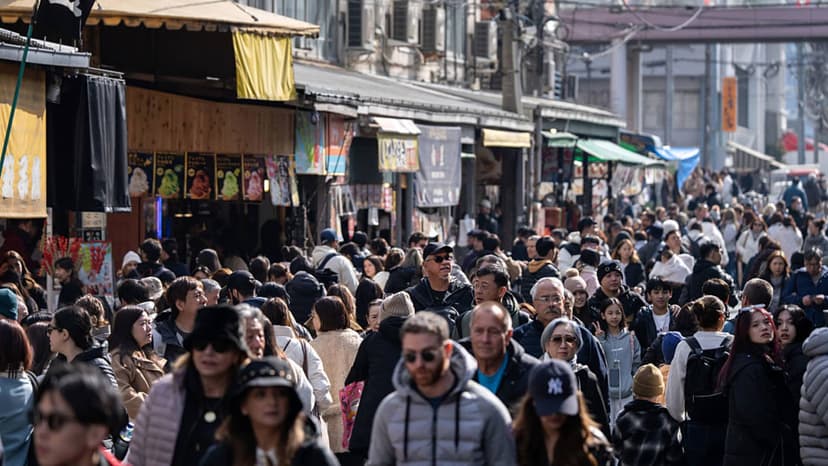
Japan's headline inflation rate continued its downward trend, falling to 1.3% in February, marking the lowest level since March 2022. This easing was attributed to stabilizing food prices, though the rate remains below the Bank of Japan's 2% target. Core inflation, excluding fresh food, also moderated to 1.6%, undershooting forecasts and down from 2% in January.
The "core-core" inflation, which excludes both fresh food and energy, registered at 2.5%. The Bank of Japan has projected core inflation to be 1.9% and core-core inflation to be 2.2% for fiscal year 2026. Officials anticipate consumer price increases may dip below 2% in early 2026, supported by government measures to ease living costs.
However, rising energy prices, exacerbated by the conflict in the Middle East, present an upside risk to inflation. The BOJ recently maintained its interest rate at 0.75%, acknowledging these inflationary pressures. The Japanese economy showed signs of slowing, with a modest 0.1% year-on-year expansion in the fourth quarter of 2025, a decrease from the 0.6% growth seen in the previous quarter.