Home / Business and Economy / Getty's Surrey Mansion: Art, Lions, and Payphones
Getty's Surrey Mansion: Art, Lions, and Payphones
6 Jul
Summary
- Getty lived in a fortified 16th-century mansion in Surrey.
- He installed payphones to limit guests' long-distance calls.
- His art collection included Old Masters paintings.
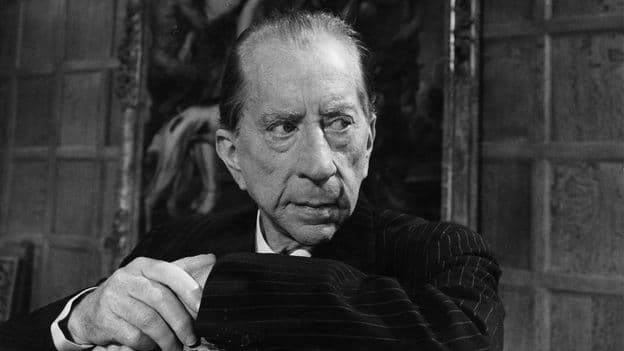
J. Paul Getty, the famously reclusive US oil billionaire, made his 16th-century English mansion, Sutton Place, his home from 1960 until his death in 1976. This Tudor estate in Surrey, acquired in 1959, became the nerve center for his vast oil empire, a stark departure from traditional corporate headquarters.
Getty, who feared flying, opted to live in Britain. His fortified mansion was not only home to a renowned art collection featuring works by Old Masters but also notably housed a pet lion named Nero. To manage expenses, he installed payphones for guests, discouraging costly long-distance calls.
The estate was a heavily secured 700-acre property with 72 rooms, 14 bathrooms, multiple swimming pools, and extensive grounds, all protected by an elaborate security system and 'No Trespass' signs.
Getty, who entered the Guinness Book of Records as the world's richest man in 1966, expressed difficulty in pinpointing his exact formula for success. He credited his father's business acumen and his own hard work, alongside an independent mindset, as contributing factors to his immense fortune, estimated at around $4bn at his death.


