

Home / Business and Economy / Iran War's Economic Fallout Hits Developing Markets
Iran War's Economic Fallout Hits Developing Markets
27 Apr
Summary
- Qatar faces its first trade deficit due to Hormuz Strait closure.
- Emerging markets see rising inflation and fiscal strains.
- Global fossil fuel subsidies hit $725 billion, impacting budgets.
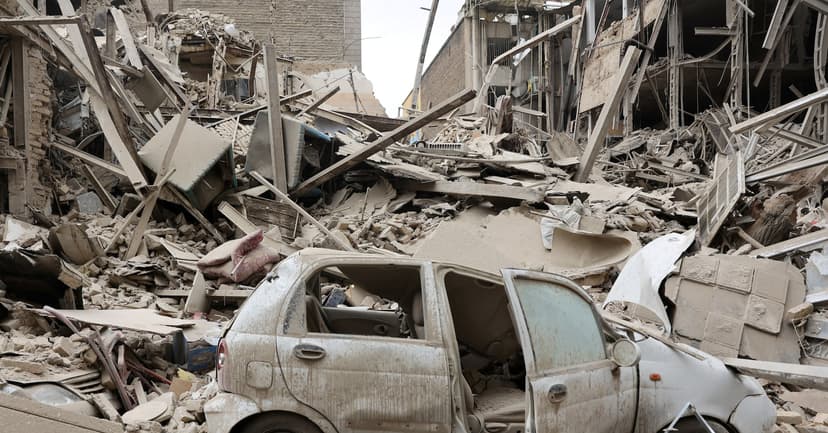
Two months after the onset of the Iran war, its economic consequences are extending far beyond the Middle East. Emerging and developing markets are experiencing a notable increase in inflation, growing fiscal challenges, and significant trade disruptions.
Nations near the conflict zone are bearing the most direct economic impact. Qatar has reported its first-ever trade deficit in March, with exports plummeting by over 90% and imports halved following the closure of the Strait of Hormuz. This situation has led to a projected 9% economic contraction for Qatar this year.
The surge in energy costs is fueling inflationary pressures worldwide, compelling central banks in emerging markets to adopt a more hawkish stance. Countries like the Philippines, Turkey, Poland, Hungary, the Czech Republic, India, and South Africa have raised interest rates or signaled tighter monetary policy.
Governments in emerging markets are facing increased strain from subsidizing energy prices for consumers. Global fossil fuel subsidies are estimated to reach $725 billion in 2024, with regions like the Middle East, North Africa, Europe, and Central Asia accounting for a significant portion.
Lower-income countries, including Egypt, Sri Lanka, and Pakistan, are particularly vulnerable to a resurgence of economic distress. They face rising fuel and food costs, potential drops in tourism and remittances, and significant debt repayment burdens, exacerbated by currency devaluations.
Sub-Saharan African nations, reliant on imported oil with already stretched government finances, are also severely affected. The head of the IMF has warned against broad demand-boosting measures like population-wide subsidies, advocating for targeted support to those most in need, and anticipates substantial emergency financial aid.
