Home / Business and Economy / Exporters Squeezed: Weak Rupee No Match for US Tariffs
Exporters Squeezed: Weak Rupee No Match for US Tariffs
5 Dec, 2025
Summary
- US tariffs negate rupee's depreciation benefit for most Indian exporters.
- IT companies are the main beneficiaries of the weaker rupee.
- Sectors with high import costs face rising production expenses.
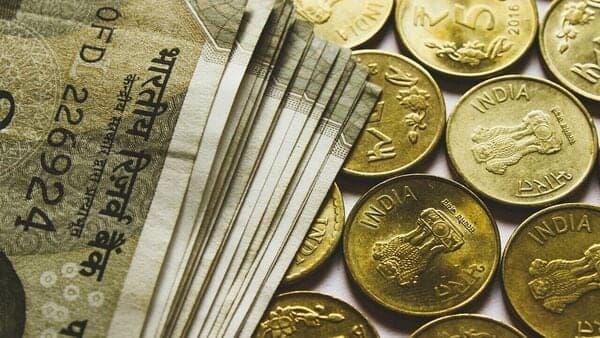
The recent depreciation of the Indian rupee beyond the 90-per-dollar mark offers minimal solace to Indian exporters, who are significantly impacted by substantial US tariffs. The rupee's 5% decline this year, marking it as Asia's worst-performing currency, has been overshadowed by the 50% punitive tariffs introduced by the US administration in August, effectively negating its usual export competitiveness benefits.
Key sectors such as textiles, coal, energy, aviation, electronics, and chemicals are facing considerable damage. Labour-intensive industries like apparel, which typically benefit from currency devaluation, are losing ground to competitors in Bangladesh and Vietnam. Exporters noted that the benefit of a cheaper rupee is entirely eclipsed by US levies, particularly impacting trade with the US, India's largest trading partner.
In contrast, India's dominant information technology sector, which has escaped US tariffs, stands to gain from the weaker rupee. A 1% decline in the rupee's value can boost their operating margins. However, sectors with high import reliance, like electronics and chemicals, face escalating costs for raw materials, diminishing any currency-related advantages. The rupee's volatility is also attributed to reduced central bank intervention and significant foreign capital outflows.