Home / Business and Economy / New Car Emission Rules: Cleaner Rides, Higher Prices Ahead
New Car Emission Rules: Cleaner Rides, Higher Prices Ahead
20 Oct
Summary
- Stricter CAFE-3 and BS7 norms will increase vehicle prices.
- New regulations aim to align India with global emission standards.
- EVs and hybrids may gain traction due to new emission rules.
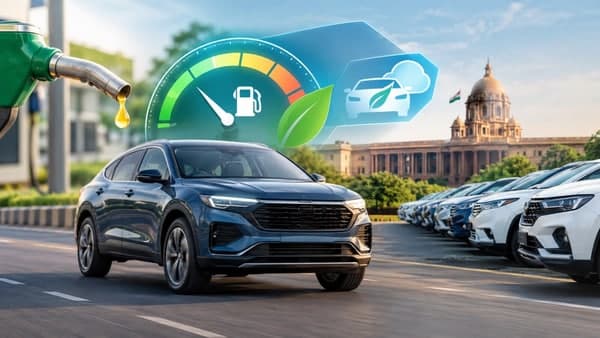
India is poised to introduce stringent Corporate Average Fuel Efficiency 3 (CAFE-3) and Bharat Stage 7 (BS7) emission standards within the next three years. These regulations signify a major shift, impacting how emissions are tested and regulated, moving towards real-world driving conditions and broadening the scope of pollutants monitored. Carmakers face the challenge of adapting their compliance plans to these advanced engine technologies.
The adaptation to tighter fuel efficiency and emission standards will necessitate significant investment by manufacturers in cleaner engines, advanced technology, and hybrid systems. Consequently, new vehicle prices are expected to rise across segments. Electric vehicles (EVs) and hybrids, though often more expensive initially, could see increased adoption as automakers seek easier ways to meet fleet-wide efficiency targets and stringent emission requirements.
These new norms are anticipated to benefit the Indian automobile industry by fostering greater alignment with international emission and efficiency standards. This alignment can enhance India's position as a global manufacturing base, making vehicles developed for domestic compliance more easily exportable. Component manufacturers are also expected to see growth as they invest in new technologies such as advanced engines and battery systems.


