Home / Business and Economy / India's Green Energy Push: Local Parts Mandate Sparks Debate
India's Green Energy Push: Local Parts Mandate Sparks Debate
14 Jan
Summary
- India considers mandating 50% local content for battery storage components.
- Security concerns and reducing import reliance drive the localization push.
- Experts debate if mandates will slow India's green energy transition.
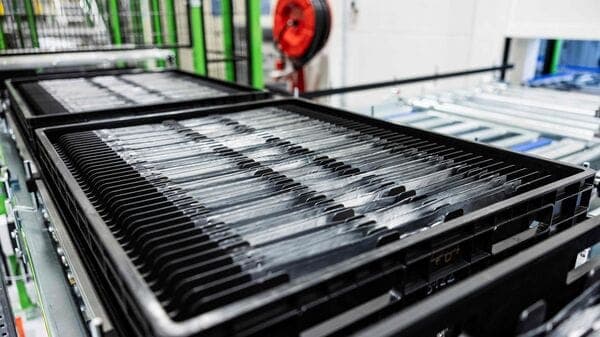
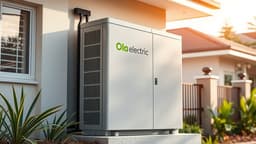
The Indian government is considering a proposal to mandate a minimum of 50% domestic components for battery energy storage systems (BESS) used in wind and solar farms. This initiative aims to curb reliance on imports and enhance national security by tightening control over critical energy infrastructure hardware. Discussions are underway with industry stakeholders to determine a suitable transition timeline for this indigenization effort.
While the government seeks to reduce foreign exchange outflows and foster a local supply chain, concerns have been raised about the potential for increased power costs and a slowdown in the country's ambitious green energy targets. Former power secretary Alok Kumar cautioned that aggressive localization mandates could impact project bankability and adoption rates.
Despite these concerns, some analysts believe the transition can be managed effectively, citing previous positive experiences with domestic content requirements in the solar industry. The proposal follows a recent mandate for 20% localization under a viability gap funding scheme, signaling a stepped-up ambition for indigenous manufacturing in the rapidly growing energy storage sector.