Home / Business and Economy / India's Ethanol Boom: Fueling Farms, Fraying Food Systems
India's Ethanol Boom: Fueling Farms, Fraying Food Systems
26 May
Summary
- Land for ethanol crops increased eight-fold in four years.
- Grain-based ethanol now dominates over sugarcane sources.
- Fuel push raises concerns about food and feed availability.
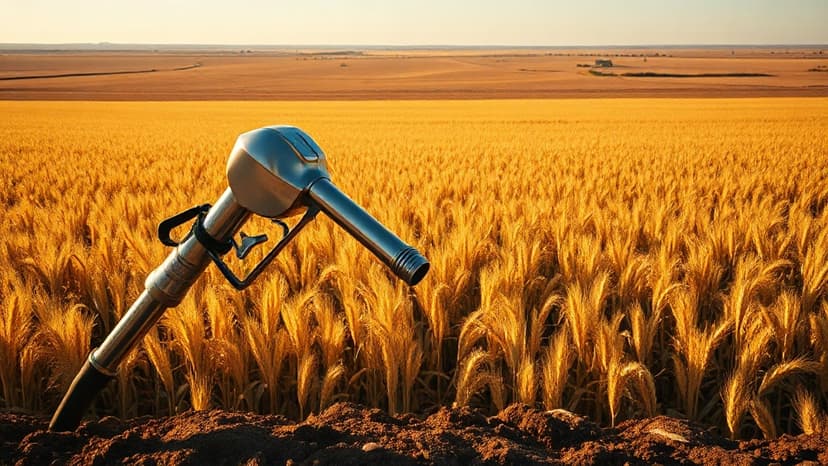
India's ambitious ethanol blending program has led to an eight-fold increase in land dedicated to fuel crops over the past four years. This strategic shift, aimed at reducing reliance on imported oil and lowering carbon emissions, has seen grain-based ethanol, primarily from maize and rice, overtake sugarcane as the dominant feedstock. State-run oil companies currently blend 20% ethanol into petrol, a target reached five years ahead of schedule.
The diversion of food crops, especially maize and rice from state stockpiles, towards ethanol production is reshaping agricultural practices and supply chains. Concerns are mounting regarding potential impacts on food and feed availability, land and water usage, and the overall "nutrition security" of the nation. While the government highlights savings in crude oil imports and carbon emissions, scientists and former policymakers caution about the trade-offs.
Despite these concerns, the push for higher ethanol blends beyond E20 is likely to continue, driven by the desire for energy independence and economic benefits for the rural economy. However, sustaining these targets may become more challenging amid climate variability and increasing competition for finite agricultural land.


