Home / Business and Economy / India's EV Revolution: From Pollution to Progress
India's EV Revolution: From Pollution to Progress
28 Jan
Summary
- Transportation causes 14% of energy-related CO2 emissions.
- Over 90% of Indians live in areas exceeding air quality guidelines.
- Electric mobility is key to India's climate goals and cleaner air.
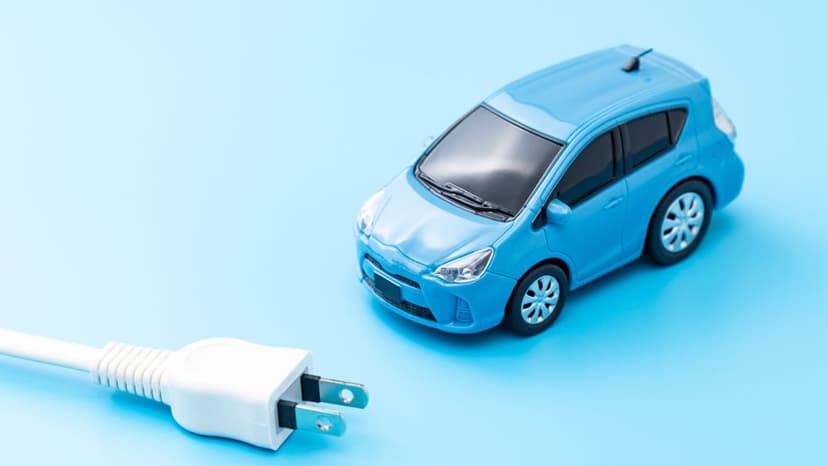
Transportation significantly impacts the environment, being responsible for approximately 14% of energy-related CO2 emissions and a substantial portion of urban particulate matter. Air quality in India's major cities is a critical concern, with Delhi frequently experiencing hazardous levels, and over 90% of the population residing in areas that do not meet WHO air quality standards, leading to an estimated 1.67 million annual pollution-linked deaths. India has set ambitious climate goals, aiming for a 45% reduction in GDP emission intensity by 2030 and achieving net zero emissions by 2070. Electric mobility presents a viable pathway to address these challenges, offering a dual benefit of reduced emissions at the source and improved urban air quality. The sector, exemplified by manufacturers like PMI Electro, has seen significant growth in domestic production of electric buses and components, supported by large national tenders. For continued expansion, the sector requires policy continuity, stable incentives, and predictable procurement processes. Scaling financing is also crucial, necessitating reliable incentives and disciplined payment frameworks to build investor confidence and support the burgeoning EV transition.