Home / Business and Economy / India's Economy Surges: 8.2% Growth Beats All Forecasts
India's Economy Surges: 8.2% Growth Beats All Forecasts
1 Dec
Summary
- Indian economy grew 8.2% in July-September quarter, exceeding forecasts.
- Experts cite lack of high-frequency data for services and consumption.
- Nominal GDP growth slowed to 8.7%, the slowest in 19 quarters.
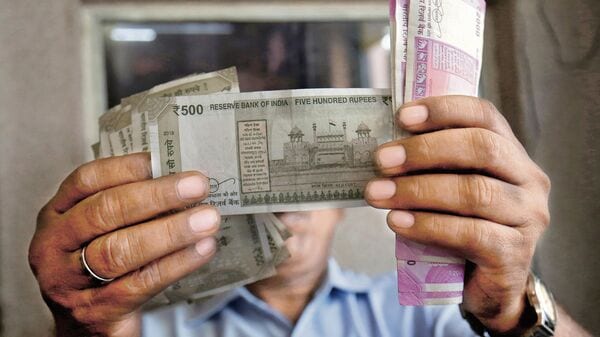
The Indian economy experienced an unexpected surge, reporting an 8.2% growth rate for the July-September quarter. This figure significantly outperformed economists' forecasts and the Reserve Bank of India's projection of 7%. Experts suggest that the unavailability of high-frequency data for sectors like services and private consumption, which showed strong growth, contributed to the underestimation of these numbers.
While the real GDP growth is robust, concerns linger regarding the sustainability of private consumption's momentum following recent Goods and Services Tax (GST) cuts. Furthermore, the nominal GDP growth decelerated to 8.7%, the slowest pace in 19 quarters. This slowdown is considered worrisome as it impacts calculations for long-term growth targets and fiscal deficit figures.
Questions have been raised about the accuracy and completeness of India's national accounts data, especially following an international grading of 'C-grade'. However, some economists argue that the primary challenge lies in the insufficient tracking of the services sector, which constitutes a significant portion of GDP and grew by 9.2% in the quarter.