Home / Business and Economy / Power Gap Threatens India's AI Ambitions
Power Gap Threatens India's AI Ambitions
23 Feb
Summary
- India's data center capacity to surge six-fold by 2030.
- Energy supply gap could hinder digital and AI growth.
- Regulatory fragmentation complicates clean energy procurement.
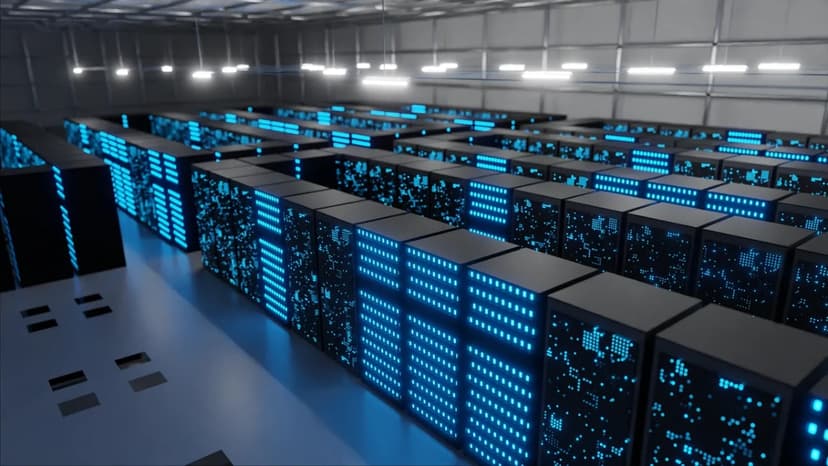
India's data center capacity is poised for dramatic growth, projected to expand nearly six-fold from approximately 1.5 GW in 2025 to 8-10 GW by 2030. This expansion will significantly increase the sector's electricity consumption, rising from 10-15 TWh in 2024 to 40-45 TWh by 2030.
However, the rapid pace of new data center construction is outpacing the growth in power generation and grid infrastructure. This energy supply gap is emerging as a major impediment to India's digital and artificial intelligence aspirations. The report highlights that new data centers are growing far faster than electricity supply additions, increasing pressure on state grids.
Transmission infrastructure is another critical weakness, as upgrades lag behind renewable project development, delaying clean power delivery. Furthermore, regulatory fragmentation across states, with differing rules on renewable energy banking, tariffs, and incentives, complicates power procurement strategies for data center operators.
While India accounts for a substantial portion of global data consumption, its current data center infrastructure is less than 5% of the world's total. Resolving power constraints is paramount to bridging this capacity gap and realizing India's potential as a global digital hub. The coming years are pivotal in determining if data centers will be constrained by power shortages or catalyze accelerated renewable deployment and grid modernization.