
Home / Business and Economy / India's Chai Crisis: Climate, Conflict Threaten Daily Ritual
India's Chai Crisis: Climate, Conflict Threaten Daily Ritual
21 May
Summary
- Tea production decline of over 26% in early 2026.
- Erratic weather and rising temperatures impact tea cultivation cycles.
- Geopolitical tensions threaten nearly 41% of India's tea exports.
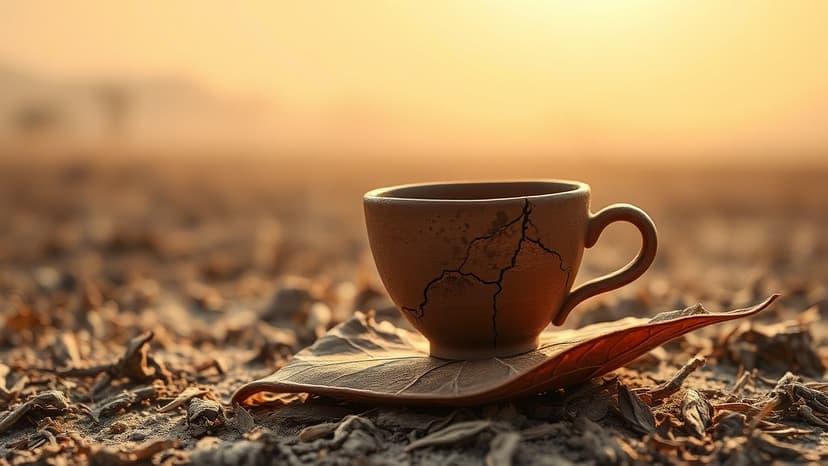
India's cherished chai ritual is navigating a complex landscape of challenges, impacting both the beloved beverage and the millions who depend on its industry. Production in early 2026 experienced a significant downturn, with overall output falling by over 26% compared to the previous year.
This decline is primarily attributed to climate stress, as erratic weather patterns and rising temperatures disrupt traditional cultivation rhythms in key tea-growing regions like Assam and West Bengal. The delicate balance of tea cultivation is increasingly affected by unpredictable rainfall and temperature fluctuations.
Further compounding these issues are rising costs for essential ingredients. Milk prices have seen increases, and higher LPG rates add to the daily expenses for both household consumers and small tea vendors. These economic pressures are making the everyday cup of chai more expensive.
Geopolitical instability also looms large, with nearly 41% of India's tea exports potentially affected by tensions around the Strait of Hormuz. This vital shipping route impacts markets in the UAE, Iraq, and Iran, crucial for Indian orthodox tea varieties.
Amidst these challenges, the industry is seeing a shift. While traditional CTC tea production has declined, segments like green tea and orthodox tea have shown resilience, reflecting evolving global consumer preferences for premium and healthier options.
Despite economic and environmental pressures, chai remains deeply embedded in India's social fabric, symbolizing hospitality and connection. The industry's future hinges on adapting to climate change, navigating global markets, and maintaining the emotional permanence of this cultural cornerstone.
