Home / Business and Economy / Middle East Tensions Threaten India's Basmati Exports
Middle East Tensions Threaten India's Basmati Exports
3 Mar
Summary
- Middle East is crucial for India's basmati, with 72% of exports heading there.
- Hundreds of crores in shipments are currently stuck at ports.
- Exporters fear delayed payments and potential deal cancellations.
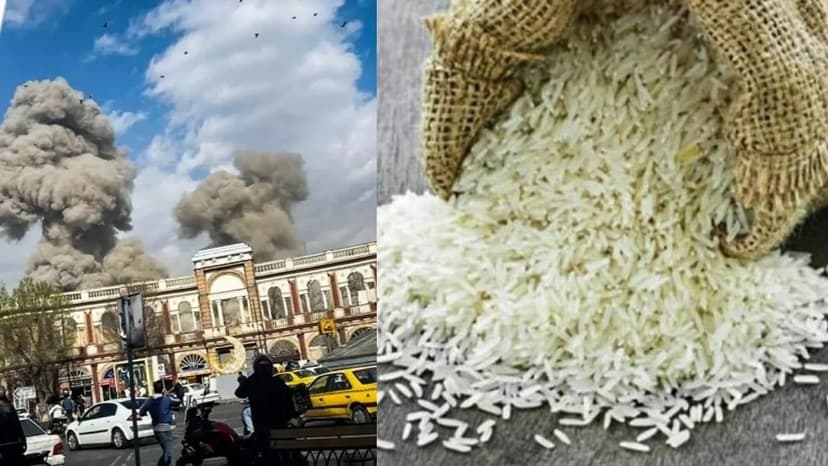
India's significant basmati rice export market is facing serious disruption due to ongoing geopolitical tensions in the Middle East. This vital trade route, which accounts for nearly 72% of India's total basmati exports, is now clouded by uncertainty.
The primary buyers of Indian basmati are Middle Eastern nations, including Saudi Arabia, Iraq, Iran, the UAE, and Yemen. These five countries alone represent 67% of India's total basmati exports. In 2024-25, these exports generated Rs 36,139 crore, with Saudi Arabia being the largest importer and Iran a significant buyer.
Exporters are experiencing considerable anxiety as shipments worth hundreds of crores of rupees are held up at ports. Concurrently, payments for these shipments are being delayed, raising fears of potential deal cancellations and non-receipt of funds, as much of the rice is exported on credit.
Ashok Sethi, Director of the Punjab Basmati Rice Exporters Association, has called upon the central government to provide payment guarantees through the Export Credit Guarantee Corporation. He stressed that any slowdown or complete halt in exports would severely impact farmers, leading to reduced demand and lower prices for their produce.
Experts predict that ongoing conflicts could further damage exports between December 2025 and March 2026. Despite global competition, Indian basmati maintains a strong international standing, making up approximately 20% of India's total agricultural exports. However, prolonged conflict poses a substantial risk to this lucrative trade.