Home / Business and Economy / India's Apparel Sector: The Job Creation Powerhouse?
India's Apparel Sector: The Job Creation Powerhouse?
14 Sep
Summary
- Textiles and apparel can lead India's manufacturing job creation needs.
- Many jobs remain informal, lacking stability and social protection.
- Tiruppur cluster shows successful ecosystem for knitwear exports.
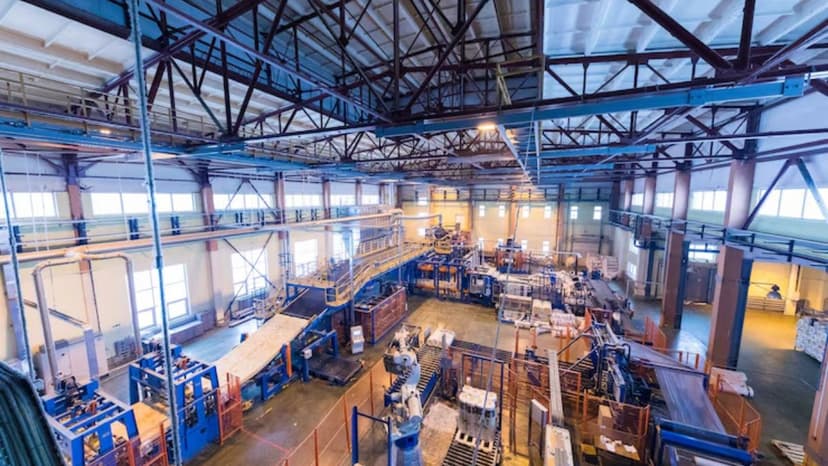
Prime Minister Modi has emphasized manufacturing as a key to India's 'Viksit Bharat' vision, but the country urgently requires mass job creation in the formal sector. With agriculture employing 43% of the workforce and manufacturing only 12.1%, a significant shift is needed. Unemployment among youth and low female labor force participation underscore this challenge. The textiles and apparel (T&A) sector is identified as a promising solution due to its labor-intensive nature, capacity to employ women, and short training periods. India aims for $100 billion in T&A exports by 2030, with apparel exports targeted at $40 billion. However, achieving these goals by 2030 seems unlikely, with a more realistic timeline of 2035. While recent tariff closures with competitors in major markets are positive, actual export growth depends on scale and capacity, not just market access. The organically grown knitwear cluster in Tiruppur serves as a compelling model, demonstrating how an integrated ecosystem of nearly 20,000 units can drive exports, supporting over a million workers, predominantly women. This cluster's success stems from decades of collaboration between entrepreneurs, industry associations, and government investment in common infrastructure and environmental solutions. To meet national targets, India needs to replicate such clusters, but the slow execution of government initiatives like the PM MITRA parks raises concerns about achieving ambitious export and job creation goals. The T&A sector offers high employment intensity at a lower cost, a path previously followed successfully by China, Bangladesh, and Vietnam, making it crucial for India's vision of productive job creation.


