Home / Business and Economy / India's Aluminium MSMEs Face Cost Crisis
India's Aluminium MSMEs Face Cost Crisis
30 Nov
Summary
- Input costs could disrupt India's manufacturing goals.
- Higher domestic prices disadvantage Indian manufacturers globally.
- Duty rationalization aims to boost MSME competitiveness and job creation.
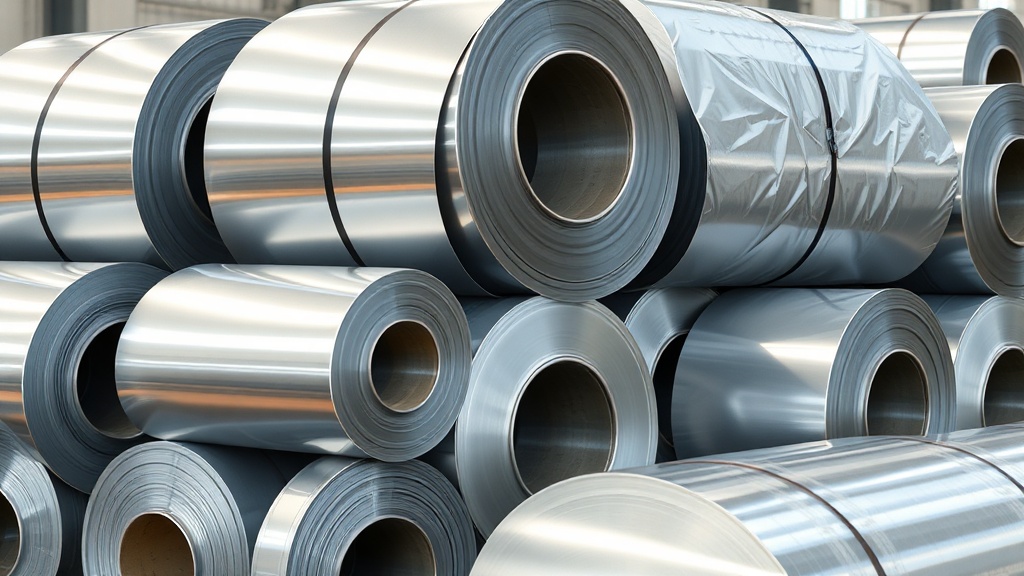
Rising input costs pose a significant threat to India's manufacturing sector, despite a projected increase in domestic aluminium demand to 8.3 million tonnes by 2030. A recent study highlights that the current import duty framework inflates domestic aluminium prices, creating a competitive disadvantage for Indian businesses.
The pricing gap particularly impacts high-growth sectors like construction, renewable energy, electric vehicles, and electronics, all heavily reliant on aluminium. The study advocates for duty rationalization to strategically benefit the nation's industrial growth.
Reducing import barriers would empower India's 3,500 aluminium MSMEs to compete more effectively with duty-free imports, fostering job creation and enabling the country to tap into higher-value export markets.