Home / Business and Economy / Rupee Stages Late Comeback on Seller Exhaustion
Rupee Stages Late Comeback on Seller Exhaustion
3 Dec
Summary
- Rupee recovered due to market exhaustion, not RBI intervention.
- Chief Economic Adviser's positive remarks boosted market sentiment.
- A weaker rupee can enhance export competitiveness and discourage imports.
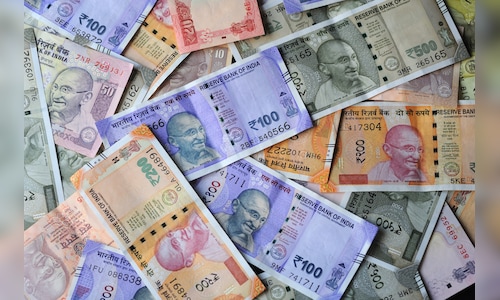
The Indian rupee saw a notable recovery towards the end of Tuesday's trading session, primarily due to a decline in selling pressure rather than direct intervention from the central bank. This market-driven stabilization occurred as traders indicated exhaustion after prolonged periods of currency depreciation, with the rupee closing around ₹90.11 per dollar.
The sentiment was significantly bolstered by statements from the Chief Economic Adviser, who conveyed that the government is unconcerned about the rupee's slide and expects a rebound in the following year. This outlook, combined with the assimilation of previously released negative economic data, prompted a wave of short covering among market participants.
Experts note that a weaker rupee naturally enhances export competitiveness by making Indian goods more affordable internationally, while simultaneously increasing the cost of imports. The recent appreciation of the rupee against the Chinese renminbi also offers a competitive advantage to domestic industries by making Chinese imports more expensive.