

Home / Business and Economy / Old Trains Get New Life, Generate Crores for Railways
Old Trains Get New Life, Generate Crores for Railways
27 Apr
Summary
- Old coaches are transformed into goods carriers for additional service.
- Over 37,000 coaches and 1,000 engines were retired between 2020-2024.
- Scrapped train materials, including metals, are sorted for reuse and recycling.
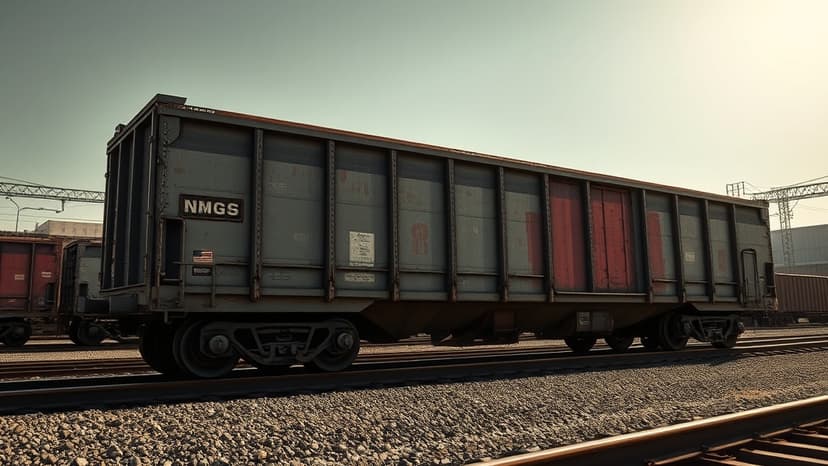
Indian Railways has implemented a unique strategy to generate substantial income by managing its ageing fleet.
Trains reaching their operational limit, typically after 25-35 years of service, are not immediately scrapped. Instead, older passenger coaches are ingeniously transformed into New Modified Goods (NMG) coaches. These converted coaches, reinforced with metal, are then utilized for transporting vehicles like cars and tractors, serving for an additional 5 to 10 years.
This approach is part of a larger modernization effort. From 2020 to 2024, Indian Railways saw the retirement of over 37,000 coaches and wagons, alongside the scrapping of 1,000 engines. The process of scrapping involves meticulously dismantling trains, sorting valuable materials such as ferrous and non-ferrous metals, and recycling components.
This system ensures that retired trains contribute to the railway's finances long after their passenger service concludes, turning potential waste into a revenue stream. The lifecycle of a train extends from active service to cargo transport and finally to recycling.
