Home / Business and Economy / Indian Sweets Go Global: A Confectionery Revolution
Indian Sweets Go Global: A Confectionery Revolution
25 Feb
Summary
- Indian desserts aim for global recognition like Japanese mochi.
- Bombay Sweet Shop blends Indian flavors with modern techniques.
- The Indian confectionery market is projected for significant growth.
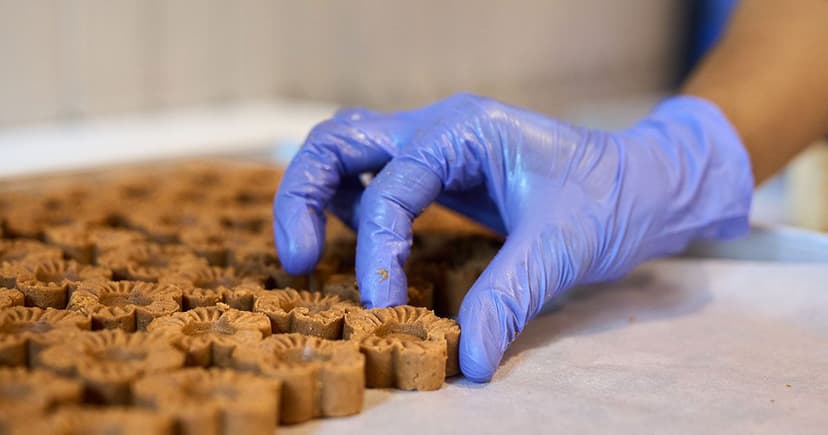
Desserts are becoming increasingly international, with global trends like Dubai's pistachio candy bars and Japanese matcha pastries captivating consumers. This has sparked a question: When will Indian sweets achieve similar worldwide recognition?
Yash Bhanage, co-founder of Bombay Sweet Shop, envisions introducing Indian desserts to a global audience. Despite India's rich tradition of sweets, many traditional halwais face challenges in reaching a wider market due to labor-intensive production, travel limitations, and palates preferring less sweet options.
Bombay Sweet Shop is bridging this gap by creating innovative desserts that combine globally recognized flavors with classic Indian techniques. Products like their tiramisu-inspired treats and churros tasting of gulab jamun are appealing to younger, globally-minded consumers.
The brand has expanded to five retail locations and numerous distribution centers across Mumbai since 2020. Future plans include further expansion within Mumbai by 2026, including an airport store, and a rollout to other Indian cities starting in 2027. Collaborations with entities like Singapore Airlines and Indian Starbucks cafes are also building international cachet.
The company aims to establish Indian desserts as a recognized global category, similar to Japanese mochi or Italian gelato. This ambition is supported by a booming Indian confectionery market, estimated to be worth $9.3 billion by 2025.