Home / Business and Economy / India Post Upgrades ATMs: Banking for All
India Post Upgrades ATMs: Banking for All
22 Jan
Summary
- 887 ATMs nationwide upgraded for convenient banking access.
- Initiative aims to boost financial inclusion in rural areas.
- ATMs offer interoperability with other banks' cards.
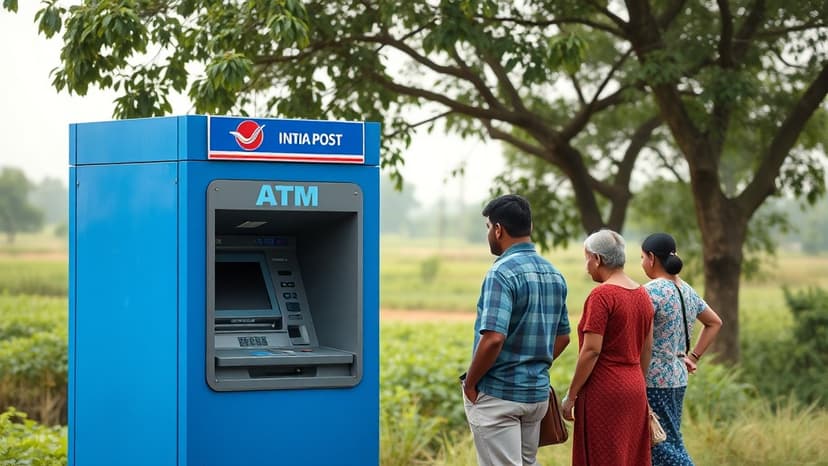
India Post has significantly upgraded its banking infrastructure by activating 887 ATMs across the nation. This initiative, announced on 20 January 2026, aims to provide convenient banking services, including cash withdrawals and balance inquiries, particularly in rural and underserved communities. The upgrade directly supports the government's financial inclusion agenda by extending essential financial services to citizens who may be geographically isolated from traditional bank branches.
These newly operational ATMs are designed for user convenience and interoperability, accepting cards from other banks and financial institutions. This feature ensures broader accessibility beyond just India Post Payments Bank customers. The Department of Posts emphasizes that this expansion will greatly benefit pensioners, small traders, and daily wage earners for whom cash remains crucial. The infrastructure improvements are expected to reduce travel time and costs associated with accessing basic banking.
This ATM network enhancement is part of a larger digital transformation for the postal department. In the week of 13 January 2026, the department also successfully processed its first online parcel order via the Open Network for Digital Commerce (ONDC). This dual focus on financial services and e-commerce logistics positions India Post as a multifaceted, digitally enabled service provider across the country.
While these advancements promote financial accessibility, challenges remain. The rise of digital payments is reshaping cash usage, yet physical cash access is vital for many. Ensuring digital payment acceptance at post offices, planned by mid-2025 with UPI integration, requires robust user education. Continued efforts are necessary to ensure all segments of the population benefit from these evolving financial and digital services.