

Home / Business and Economy / Oil Surge Threatens India's Inflation and Growth
Oil Surge Threatens India's Inflation and Growth
30 Mar
Summary
- A $10 oil price hike could raise India's inflation by 60 basis points.
- West Asia supplied 51% of India's oil imports in the first 10 months of FY26.
- Higher oil prices may widen India's current account deficit by 40 basis points.
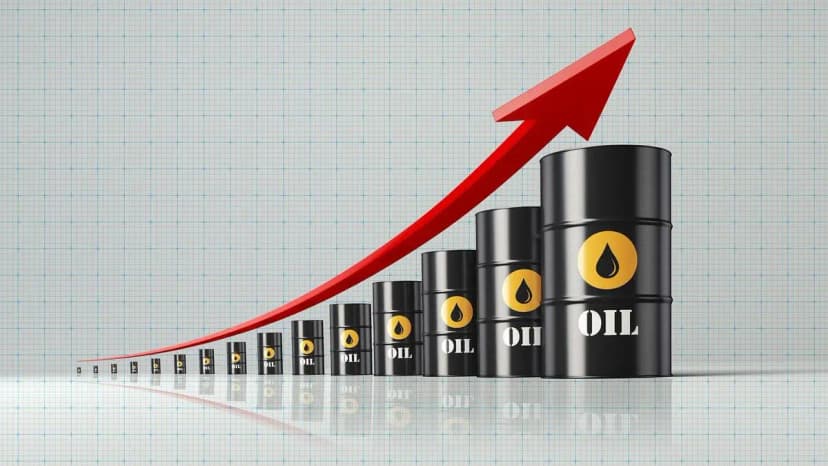
Tensions in West Asia are driving up global crude oil prices, posing a substantial threat to India's economic stability, according to Revati Kasture, CEO of CareEdge Global IFSC Limited. She estimates that every $10 increase in average crude oil prices during FY27 could escalate India's headline inflation by 55 to 60 basis points due to the significant weight of fuel in the Consumer Price Index basket.
India's vulnerability is heightened by its dependence on West Asia, which provided approximately 51 percent of its crude and petroleum imports during the first ten months of FY26. While oil marketing companies may initially absorb some price shock, persistent high crude prices, currently exceeding $115 per barrel, could lead to increased costs for consumers, further fueling inflation.
Beyond inflation, escalating oil prices are projected to widen India's current account deficit by 30 to 40 basis points for every $10 rise in average prices. This widening deficit, alongside a potential strengthening of the US dollar due to a shift towards safe-haven assets, could exert downward pressure on the Indian rupee.
Risks also extend to India's exports and remittances. Disruptions in regional labor markets due to conflicts could affect remittances, with over a third originating from Gulf economies. Additionally, shipping disruptions may impact exports to the region, which amounted to $64 billion in FY25.
Government finances could also be strained by rising energy costs. Higher LNG and fertilizer prices may necessitate increased subsidy outgo, particularly as India imports over a quarter of its fertilizers from West Asia. However, India's diversification of crude oil sources, efforts like ethanol blending, and the central bank's policy flexibility offer some mitigation.
