Home / Business and Economy / India Eyes Higher Ethanol Blends: Flex Fuel Future?
India Eyes Higher Ethanol Blends: Flex Fuel Future?
11 Dec
Summary
- Government is exploring higher ethanol blends like E23 and E27.
- Sugar industry has overcapacity, with only 10.5 billion litres utilized.
- Auto executives suggest stabilizing E20 before adopting flex-fuel vehicles.
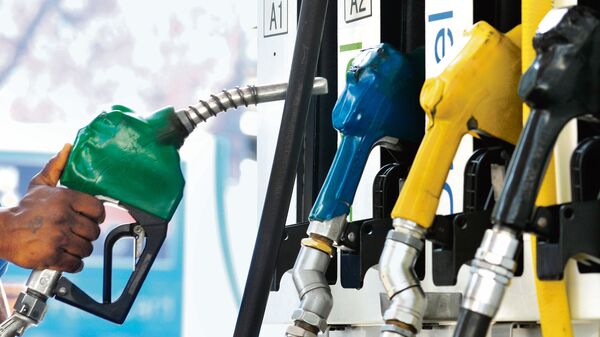
India is actively exploring the feasibility of increasing ethanol blending in petrol beyond the current E20 standard, with discussions focusing on higher blends like E23 and E27, and the introduction of flex-fuel vehicles. These vehicles can run on any proportion of blended fuel, offering greater flexibility. The push for increased ethanol use is partly driven by the sugar industry's significant overcapacity, with oil companies currently utilizing only 10.5 billion litres of the 19 billion litres available capacity.
Industry stakeholders are divided on the path forward. Auto executives, like Toyota's country head, suggest stabilizing the E20 blend for a period before moving to flex-fuel vehicles. They express concerns about the impact of higher blends on existing vehicles and the cost of retooling for incremental increases. Conversely, the government views enhanced ethanol blending as a strategy to reduce fuel import bills and support the agricultural sector, citing foreign exchange savings and crude oil substitution over the past decade.
Discussions also include potential incentives, such as tax relief, to encourage the adoption of flex-fuel vehicles. Despite earlier consumer concerns about E20's effect on mileage, the government maintains it has not impacted vehicle performance. India has also been a proponent of biofuels globally, aligning with international initiatives aimed at sustainable fuel production and carbon emission reduction, highlighting the strategic importance of ethanol in the nation's energy future.