Home / Business and Economy / Sebi Unlocks Indian Markets for Remote Investors
Sebi Unlocks Indian Markets for Remote Investors
11 Nov
Summary
- Overseas investors can now complete KYC digitally without visiting India.
- The new process begins December 3, simplifying investment account opening.
- Digital verification includes safeguards like live video and geotagging.
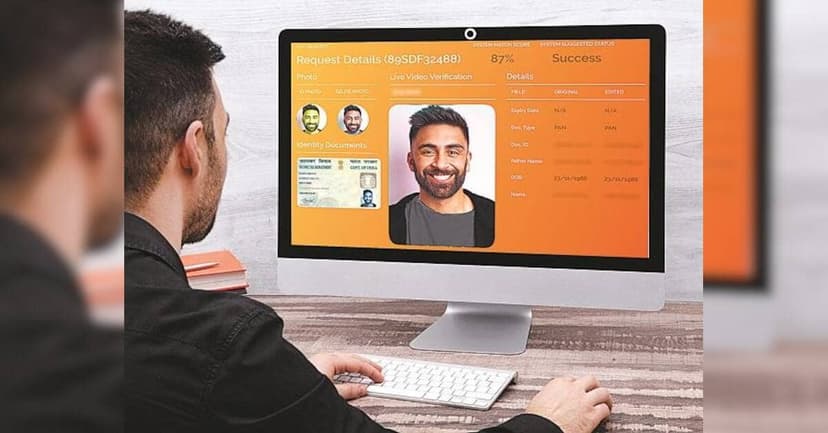
Starting December 3, overseas investors will no longer need to be physically present in India to complete their know-your-customer (KYC) verification. This new digital process significantly simplifies opening investment accounts for Non-Resident Indians (NRIs), Overseas Citizens of India (OCIs), and foreign nationals from FATF-compliant countries. Previously, these investors often faced weeks of paperwork and delays, sometimes waiting for visits to India to complete the mandatory identity checks.
The revamped procedure allows investors to submit forms and documents online, followed by a live video-based identity verification. Safeguards such as random actions during the call, geotagging with GPS coordinates, location verification to block VPNs, face-liveness checks, and facial matching will be employed. While a wet signature may still be required in the presence of a broker official, document attestation remains an option if digital verification of originals is not feasible.
This move by the Securities and Exchange Board of India (Sebi) aims to attract more 'sticky' long-term investors from abroad. While the digital KYC hurdle is removed, other processes like opening NRE/NRO bank accounts or obtaining Portfolio Investment Scheme (PIS) approval still follow older procedures. Additionally, investors from the US and Canada might still face fund-house specific restrictions due to tax regulations.
Sebi's decision to allow remote KYC is expected to boost investment flows by removing a significant obstacle for NRIs. The success of this initiative hinges on smooth implementation by brokers and banks from December 3 onwards. The ability of digital verification to convert investment interest into completed accounts without past delays will be the ultimate test.


