Home / Business and Economy / India Bans Lithium Black Mass Exports
India Bans Lithium Black Mass Exports
11 Nov
Summary
- Export ban on lithium-ion battery black mass is effective immediately.
- This aims to boost India's domestic battery recycling capacity.
- The move supports the National Critical Mineral Mission initiatives.
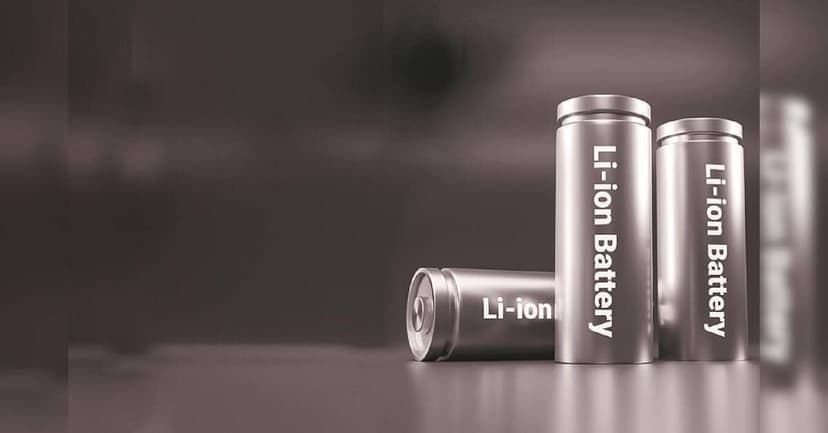
Effective immediately, India has prohibited the export of lithium-ion battery black mass. This decision aims to enhance domestic capacity for recycling critical minerals, such as lithium, cobalt, nickel, and manganese, and reduce reliance on imports.
The Directorate General of Foreign Trade issued the notification, changing the export policy for this battery waste material from 'Free' to 'Prohibited.' Black mass, a powdery substance from end-of-life lithium-ion batteries, contains valuable recoverable minerals. India currently imports many of these minerals and has underutilized recycling capacity due to insufficient domestic feedstock.
This export prohibition aligns with the government's National Critical Mineral Mission and its associated incentive scheme of ₹1,500 crore, approved in September 2025. By retaining black mass domestically, the government ensures that developing recycling facilities will have adequate raw materials.
Experts note that while India exported zero black mass globally in FY26, the ban prevents future shipments. This measure is expected to boost domestic processing, improve capacity utilization in recycling units, and encourage investment, employment, and the recovery of critical minerals, thereby strengthening supply chains for electric vehicles and clean energy technologies.


