Home / Business and Economy / India's Banks Face Governance Gap: Chairman Vacancies Persist
India's Banks Face Governance Gap: Chairman Vacancies Persist
28 Sep
Summary
- Eight of eleven public sector banks lack a non-executive chairman.
- Vacancies persist for years, some over a decade long.
- New RBI framework effective October 1st, silent on this governance role.
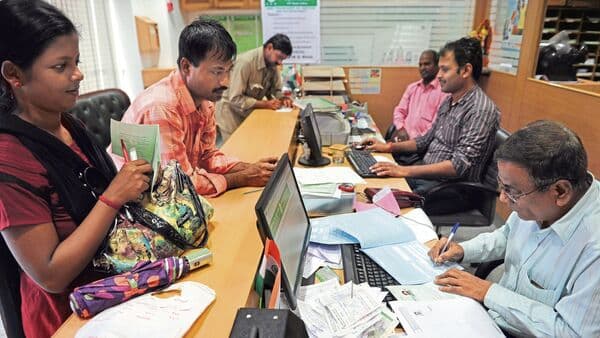
Eight out of eleven public sector banks in India, excluding the State Bank of India, are currently operating without a non-executive chairman. Some of these vacancies have persisted for years, with the longest dating back to April 2015. This situation is especially pertinent as a new governance framework from the Reserve Bank of India (RBI) took effect on October 1, 2026. This framework assigns primary responsibility for setting the board's agenda to the chairperson, highlighting the importance of this role.
Despite the crucial governance and oversight functions of a non-executive chairman, the new RBI guidelines do not explicitly state who would fulfill this role in the absence of a chairman. Only Bank of India, Indian Overseas Bank, and UCO Bank currently have non-executive chairmen. Experts caution that prolonged vacancies could weaken board independence and overall governance quality, particularly in public sector banks with complex ownership structures.
Fillings for these crucial positions appear to be delayed, with some vacancies at institutions like Indian Bank persisting since August 2018. The Financial Services Institutions Bureau (FSIB) recommends candidates for these roles, but the appointment process itself can be lengthy, often taking six to seven months. The extended lack of a non-executive chairman raises concerns about the continued exercise of vital governance checks and balances.


