Home / Business and Economy / IKEA Tackles Forest Health Amid Climate Crisis
IKEA Tackles Forest Health Amid Climate Crisis
29 Sep
Summary
- Biodiversity loss is a major threat to global forests.
- IKEA uses forensic methods to trace wood origins.
- EU deforestation regulation drives industry change.
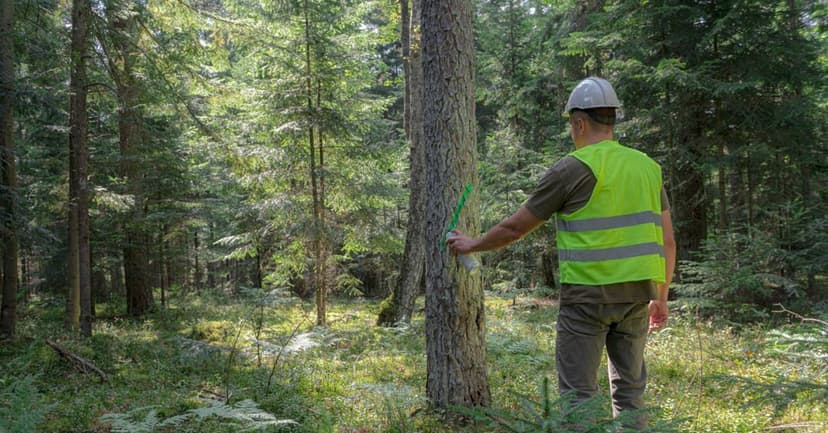
Inter-IKEA Group's global head of forestry, Mikhail Tarasov, identifies biodiversity loss as a critical threat to the world's forests, akin to structural damage in a house. This, coupled with competition for resources and climate change, challenges IKEA, a major timber consumer. The company has reduced its wood consumption by 30% since 2019 through recycling and reuse, and now focuses on promoting better forest management.
IKEA is piloting "climate smart" forestry in Latvia on 16,000 hectares, aiming to identify resilient tree species. This initiative, in partnership with the European Forest Institute and Preferred by Nature, seeks to inform forest certification systems and elevate industry standards. Furthermore, IKEA has collaborated with WWF to map old-growth forests in the Carpathian mountains, emphasizing their unique ecological value and need for protection.
To verify wood origins and comply with the EU's new deforestation regulation (EUDR), IKEA utilizes its IWAY procurement system and independent audits. Forensic methods, including DNA analysis, are employed to trace wood and ensure it doesn't originate from sanctioned countries like Russia. While IKEA asserts its readiness for EUDR, environmental NGOs like Greenpeace express concerns about the company's focus on sourcing verification over actively preventing wood from high-biodiversity areas entering its supply chain, particularly in Romania.


