Home / Business and Economy / Hydro Dams Dry Up: Power Prices Soar
Hydro Dams Dry Up: Power Prices Soar
17 Jul
Summary
- Colorado's only federal hydropower unit generates 30% less electricity.
- Residential electricity prices rose over 7% annually.
- AI data centers add significant demand to a strained grid.
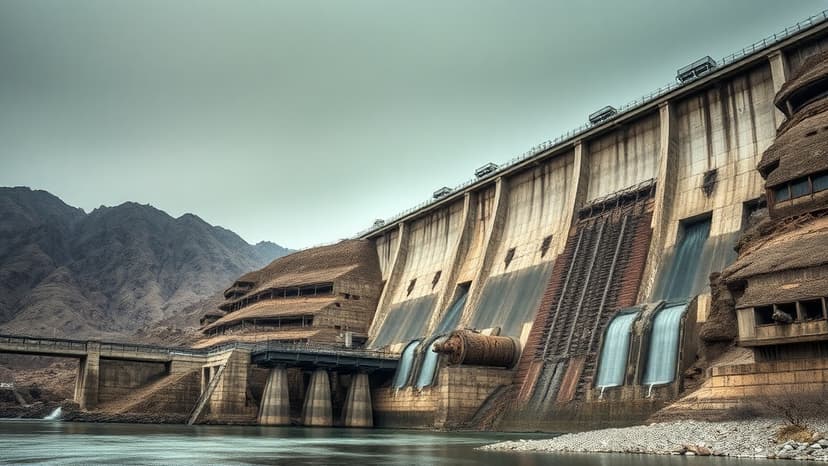
Colorado's Wayne N. Aspinall Unit, the state's only federal hydropower facility, is operating at a significantly reduced capacity, generating almost 30% less electricity than its historical average. This shortfall contributes to rising electricity costs for consumers, with residential users experiencing an annual price increase exceeding 7% as of March. Utilities are forced to procure costly replacement power.
The decline is attributed to reduced water levels in dams like Blue Mesa Reservoir, which is at 17% of its live storage capacity. Climate change stresses are shrinking the river, diminishing the "hydraulic head" needed to power turbines effectively. At current low elevations, generation capacity is significantly below design levels.
This situation is exacerbated by rapidly increasing electricity demand, particularly from artificial intelligence data centers. Federal regulators are accelerating grid connections for these large users, creating a significant demand surge on a supply side that is demonstrably weakening in regions like Colorado.
Utilities face a growing cost gap as they pay more for replacement power than they charge customers. For instance, the Western Area Power Administration (WAPA) has paid considerably more for replacement power than its customer rates. Some smaller utilities with diversified energy sources may be less affected, but others face significant financial pressure.
As of 2026-07-17, the full impact on utilities like Platte River Power Authority remains unclear, though reduced federal deliveries and rising WAPA rates are noted adverse financial factors. Looking ahead, projections suggest data centers could consume nearly 12% of U.S. electricity by 2030, adding further strain to an already challenged grid.


