

Home / Business and Economy / Middle East Conflict Throws US Housing Market Into Deep Freeze
Middle East Conflict Throws US Housing Market Into Deep Freeze
3 Apr
Summary
- 30-year fixed mortgage rates climbed to 6.46% recently.
- Oil prices and gasoline costs saw significant increases.
- Inflation fears rose, impacting interest rates and housing affordability.
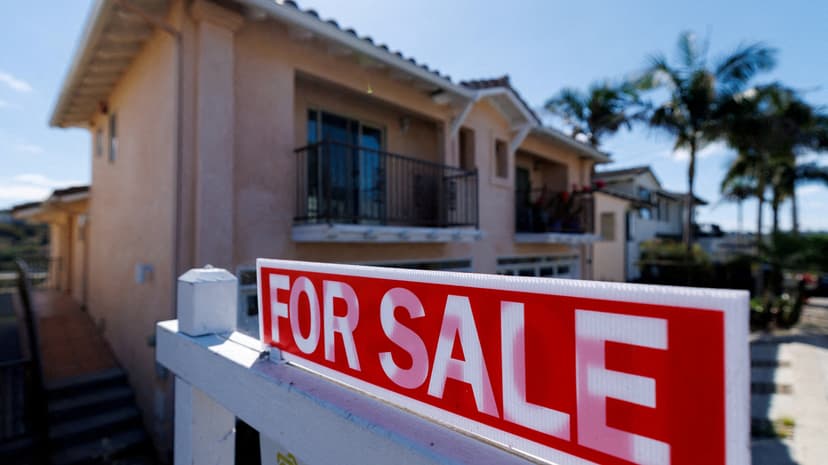
The U.S. housing market's potential thaw has been halted by the ongoing Middle East conflict, which has driven up costs for Americans. As of this week, the average 30-year fixed-rate mortgage reached 6.46%, its highest point since early September and a notable increase from previous weeks. This surge follows a period where rates had dipped below 6% before the conflict began.
Americans are grappling with rising expenses, notably in energy. Oil prices have surged over 50% since late February, and the average gasoline price climbed to $4.08 per gallon recently. These soaring energy costs have amplified concerns about inflation, with forecasts predicting a rise to 4.2% this year.
Market analysts suggest that as long as the Middle East conflict poses a threat to petroleum prices, markets will continue to price in higher inflation risks. This directly translates into elevated mortgage rates, further chilling the housing sector. Home sales had been subdued since central banks raised interest rates during the pandemic. While early 2026 saw signs of cooling home prices and increased buyer demand, the current geopolitical situation has stalled this positive momentum.
