Home / Business and Economy / Middle East Tensions Disrupt Crucial Oil Chokepoint
Middle East Tensions Disrupt Crucial Oil Chokepoint
4 Mar
Summary
- Iran's Strait of Hormuz closure sends oil and gas prices soaring.
- Europe faces energy crisis despite diversified oil suppliers.
- Alternative pipelines offer limited capacity compared to strait.
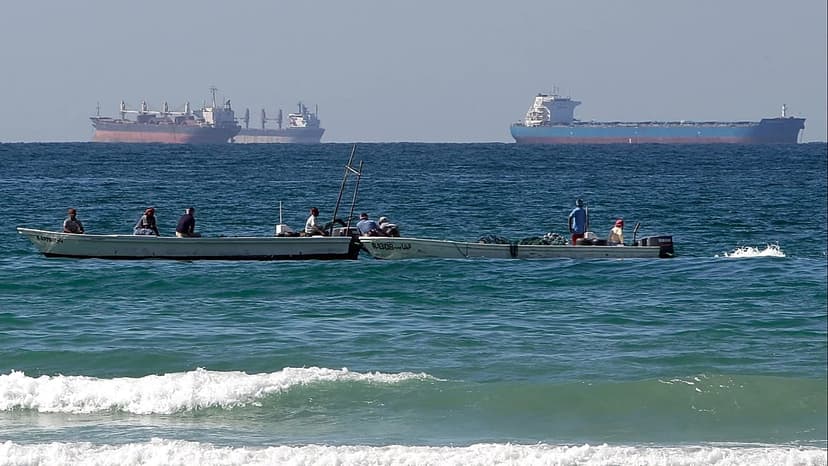
As military tensions escalate in the Middle East, Iran's announcement to close the Strait of Hormuz has caused oil and natural gas prices to spike. This development presents a significant energy crisis for European leaders, who are concerned about mitigating the resulting price shock. Many European countries, including Italy, Greece, Spain, Poland, and Belgium, depend on this vital corridor for their oil imports and refining.
The Strait of Hormuz, a critical energy chokepoint, accounts for 20% of global oil production. While Europe has diversified its oil imports, with Norway, the United States, and Kazakhstan as primary suppliers, some EU nations still receive oil from Gulf producers. This situation prompts discussions within the European Commission on addressing the new energy crisis.
Alternative oil routes, such as the Saudi East-West crude oil pipeline and the Habshan-Fujairah oil pipeline in the UAE, are being considered. However, these pipelines have limited capacity and infrastructure constraints. Other options like rerouting tankers around the Cape of Good Hope are time-consuming and costly, and primarily benefit oil not already within the Persian Gulf.
Further alternatives include North Sea production, supplies from the US and West Africa, North Africa, Caspian and Central Asian producers, and Latin American suppliers. These routes avoid major global chokepoints. Experts suggest that reducing fossil fuel dependency is crucial for Europe's long-term security strategy.