

Home / Business and Economy / Home Care Crisis: Aging Boomers Strain Workforce
Home Care Crisis: Aging Boomers Strain Workforce
19 Apr
Summary
- Home healthcare jobs are few but vital to the economy.
- Aging baby boomers demand more elder care services.
- Low wages and burnout push away crucial home health aides.
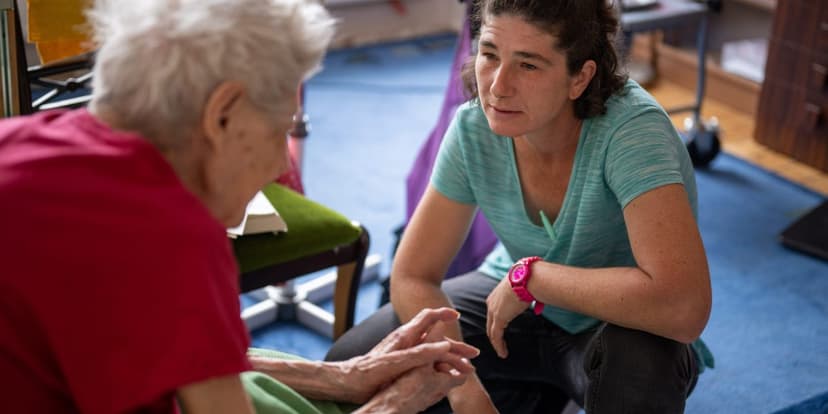
Home healthcare workers, representing less than 3% of the workforce, are crucial to the economy, particularly as the large baby boomer generation ages and requires more care. As of April 2026, this sector is showing signs of strain, with job additions slowing and weekly hours for employees dropping to their lowest point in nearly two decades. This indicates external pressures are impacting a critical industry.
The growing demand for elder care services, with older adults' healthcare spending topping $1.2 trillion in 2020, is met with challenges. Low wages, typically under $35,000 annually, contribute to underemployment and worker attrition, as many aides seek multiple jobs or leave the field due to low pay and demanding work. Immigration policy changes have also impacted the labor supply, potentially slowing growth in this essential sector.
This situation has significant economic implications. When individuals cannot access needed home healthcare, more people are pushed into unpaid elder care roles. These caregivers, often in leadership positions, may reduce work hours, pass up career opportunities, or leave the labor force entirely, creating domino effects across the economy.

