Home / Business and Economy / Holiday Shoppers Seek Deals Amid Economic Fears
Holiday Shoppers Seek Deals Amid Economic Fears
28 Nov • 2 reads
Summary
- Consumers prioritize deals, buying fewer gifts for fewer people.
- Shift towards less expensive brands and store brands is notable.
- Los Angeles area residents spend more due to higher costs.
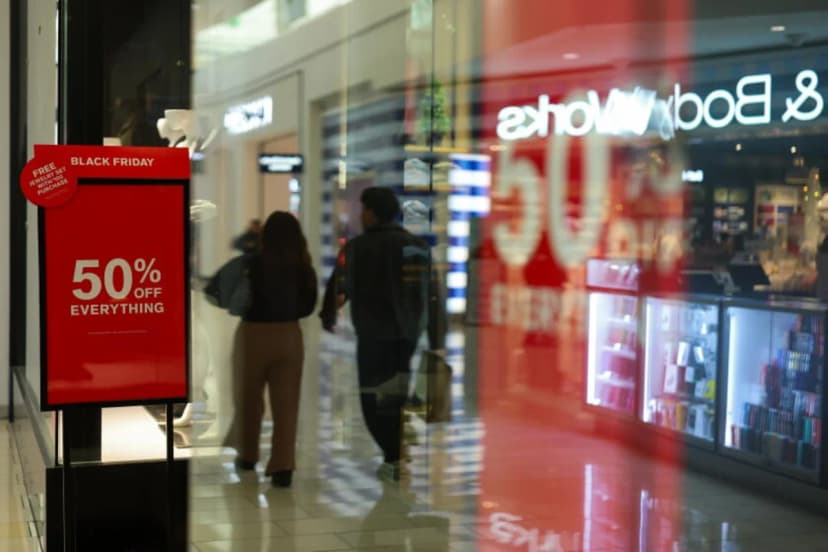
Shoppers flocked to malls on Friday, driven by a desire for deals amidst underlying economic uncertainty. Consumers express readiness to splurge on holiday gifts but emphasize the importance of finding significant discounts. Many are strategically reducing the number of people they buy gifts for and dedicating more time to comparison shopping.
Uncertainty surrounding fuel prices, persistent inflation, and the economic implications of artificial intelligence is tempering consumer confidence for the upcoming year. Despite projections of increased holiday spending, a significant portion of shoppers plan to limit their expenditures by selecting more affordable gifts and purchasing for fewer recipients.
Retail data indicates a pronounced shift towards less expensive brands over the past 15 years, with even higher-income consumers frequenting value-oriented stores like Walmart and Kohl's. Retail executives note that families are budget-conscious, thoughtfully choosing where to allocate their spending.
In the Los Angeles area, holiday spending is anticipated to rise, with households projected to spend more than the national average, attributed to higher local salaries and the cost of goods. Economic sentiment in California is also more optimistic than in other parts of the country.
Malls are enhancing in-person experiences and hosting events to compete with e-commerce. This strategy, coupled with AI's growing influence on shopping habits, aims to attract budget-minded consumers seeking value. Generative AI is emerging as a tool for holiday shopping tasks, though data privacy concerns persist.
The drive for value is evident through deal-hunting, brand switching, and prioritizing affordable retailers. A notable trend shows a growing preference for Walmart among households earning under $75,000, indicating a strategic shift in shopping patterns driven by budget consciousness.


