Home / Business and Economy / Heineken Bets on Zero-Alcohol to Revive Europe
Heineken Bets on Zero-Alcohol to Revive Europe
8 Oct
Summary
- European beer consumption fell 9.2% since 2019.
- Heineken plans to cut 6,000 jobs globally by 2028.
- Zero-alcohol beer volumes rose 12% in the first half of 2026.
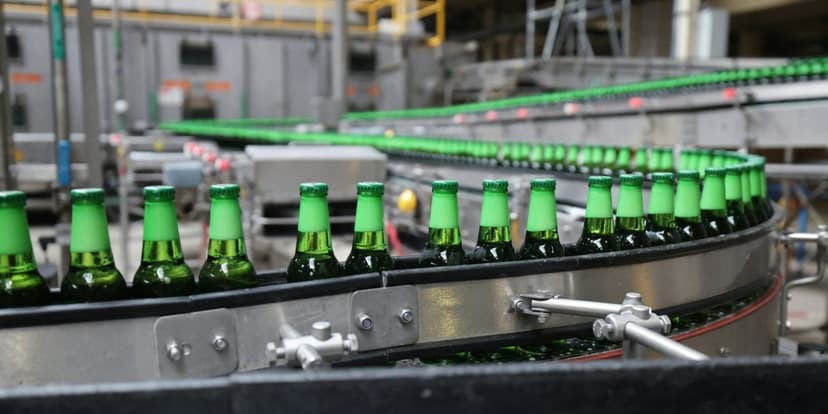
European beer consumption has experienced a notable downturn, with a 9.2% decrease since 2019. This decline is attributed to factors such as a growing sober-curious demographic and the popularity of weight-loss medications. The European beer market's challenges were exacerbated by soaring energy and grain prices following Russia's invasion of Ukraine in 2022.
In response to these headwinds, Heineken, the world's second-largest brewer, is initiating significant cost-saving measures. The company announced plans to eliminate up to 6,000 jobs globally over the next two years as part of its EverGreen 2030 strategy. This initiative aims to save approximately €500 million annually and bolster profits by concentrating on high-growth markets.
Heineken's strategy also includes restructuring its European operations into four multi-country units to increase efficiency and agility. Simultaneously, the company is investing in its non-alcoholic beer portfolio, with low- and no-alcohol volumes rising by 12% in the first half of 2026. This focus on alcohol-free options is intended to cater to evolving consumer preferences and mitigate overall decline.
The company is also actively involved in the pub sector, particularly in the UK. While acknowledging challenges in the British pub market, Heineken highlights that pubs and bars remain vital for socializing and tourism. The brewer aims to enhance value for consumers through competitive pricing and innovative low-alcohol choices, expressing confidence in beer's enduring appeal.


