
Home / Business and Economy / 9 States Still Taxing Your Groceries
9 States Still Taxing Your Groceries
3 Jun
Summary
- Nine states still impose sales tax on grocery items.
- Grocery taxes are considered regressive, impacting lower-income households most.
- Federal law exempts SNAP recipients from state and local grocery taxes.
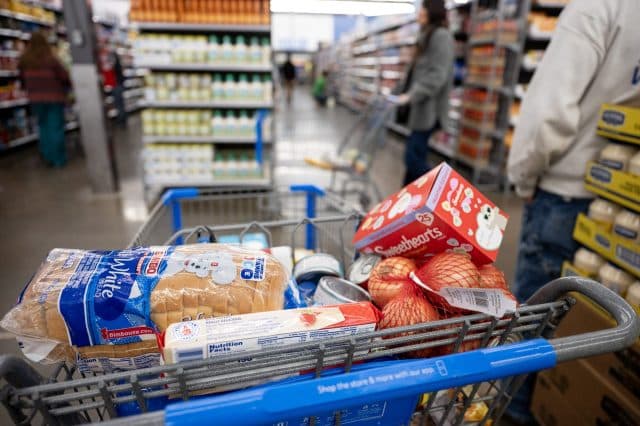
In nine states, shoppers are still paying sales tax on groceries, unlike the majority of the U.S. that has abolished or is in the process of eliminating these taxes. States such as Oklahoma, Kansas, Arkansas, and Illinois have recently removed their grocery sales taxes. As of 2026-06-03T10:06:55+00:00, Alabama, Hawaii, Idaho, Mississippi, Missouri, South Dakota, Tennessee, and Utah remain among those that continue to tax food purchases.
Economists often label grocery taxes as regressive, meaning they impose a greater financial burden on lower-income individuals. Research suggests that higher grocery taxes may discourage home cooking among these households, potentially leading them to spend more on restaurant meals that are often less nutritious. Tax rates vary significantly, with Idaho levying a 6% tax and Virginia a 1% tax.
Some states, like North Carolina and South Carolina, do not have statewide grocery taxes but permit local taxes. However, even this practice is declining, with North Carolina considering a bill to repeal its 2% local food tax. The financial impact can be substantial; a $200 grocery bill in Idaho could mean an extra $12 charge per trip. Idaho offers rebate programs, providing residents with tax credits. Importantly, all food purchased with SNAP benefits is exempt from state and local sales taxes due to federal law.
