Home / Business and Economy / Ships Vanish: GPS Jamming Warps Reality in Persian Gulf
Ships Vanish: GPS Jamming Warps Reality in Persian Gulf
10 Mar
Summary
- Electronic jamming has impacted over 1,100 ships near the Strait of Hormuz.
- Vessels appear to travel at impossible speeds, like 102 knots.
- Maritime traffic has plummeted, with only five vessels on March 4.
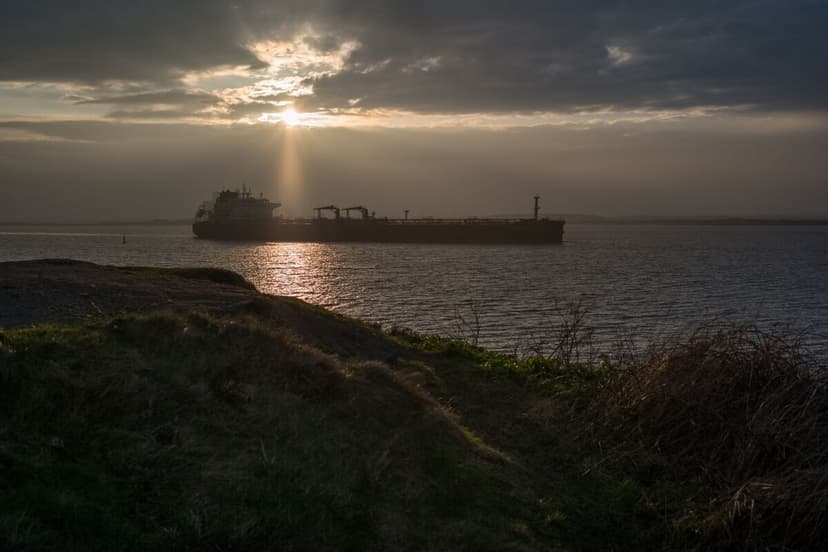
Electronic interference has significantly disrupted maritime operations in the Persian Gulf, affecting more than 1,100 vessels. Clusters of ships have materialized near the Strait of Hormuz, a key waterway, indicating widespread electronic jamming. These groups, some exceeding 200 vessels, exhibit ships reporting speeds of over 100 knots, a stark contrast to their typical capabilities.
The situation has become so severe that distinguishing a vessel's true location is nearly impossible, according to maritime analysts. This electronic warfare tactic spikes during heightened geopolitical tensions, distorting navigation systems and creating false representations on tracking platforms. The impact is compounding nervousness for shipowners already dealing with increased war-risk insurance premiums and targeted attacks.
Traffic through the Strait of Hormuz has seen a dramatic decline, with only five crossings recorded on March 4, compared to 120 on February 26. Efforts to revive maritime traffic, including potential US naval escorts and insurance offers, are being considered amidst these challenges. Navigating the area without reliable GPS significantly amplifies existing security concerns for vessels.