Home / Business and Economy / Gold & Silver Plunge: What's Next?
Gold & Silver Plunge: What's Next?
25 Mar
Summary
- Gold and silver prices fell significantly in recent weeks.
- Rising energy prices and inflation fears could impact interest rates.
- Central banks and ETFs show reduced investment in gold.
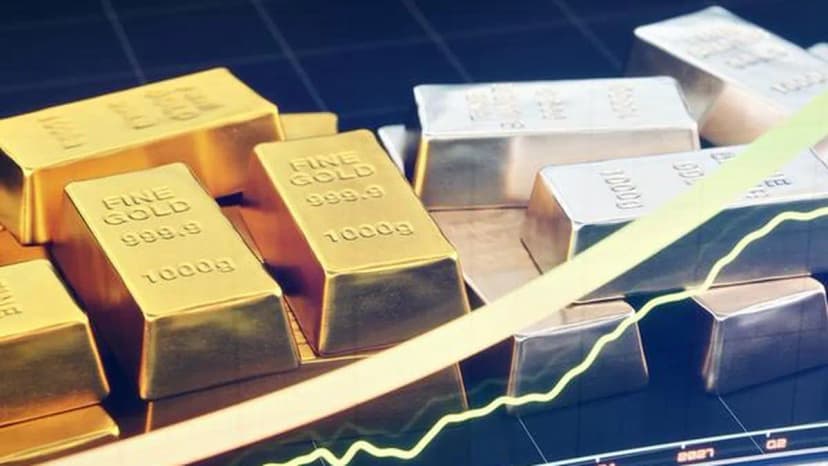
Gold and silver prices have seen a significant decline, losing 14% and 20% of their recent gains in the past month. This follows substantial increases of over 25% in 2024 and more than 60% in 2025. Analysts suggest several reasons for this downturn.
Rising energy prices, particularly crude oil near $100 a barrel, could increase inflation. Morgan Stanley notes that persistent high energy costs might compel the Federal Reserve to maintain higher interest rates for longer, potentially making treasury bonds more attractive than gold due to higher yields.
Historically, gold has declined sharply after periods of economic uncertainty and rising interest rates. For instance, gold fell over 57% from its 1980 peak following a surge in inflation and high US interest rates. Similarly, after reaching nearly $2,000 an ounce in 2011, gold saw a significant drop as the US economy recovered.
Furthermore, central banks, previously major buyers of gold, may reduce holdings to manage emergencies or fund defense. The National Bank of Poland, a significant buyer in 2025, might offload reserves. Additionally, physically-backed gold ETFs have experienced substantial outflows this year, with investors exiting positions.
Analysts also point to the broader commodities super cycle, where a rally in crude oil might signal the end of gold's upward trend. Silver, which tends to follow gold's movements, has also experienced a steep decline after outperforming gold. Fund manager activity also suggests a shift away from precious metals.